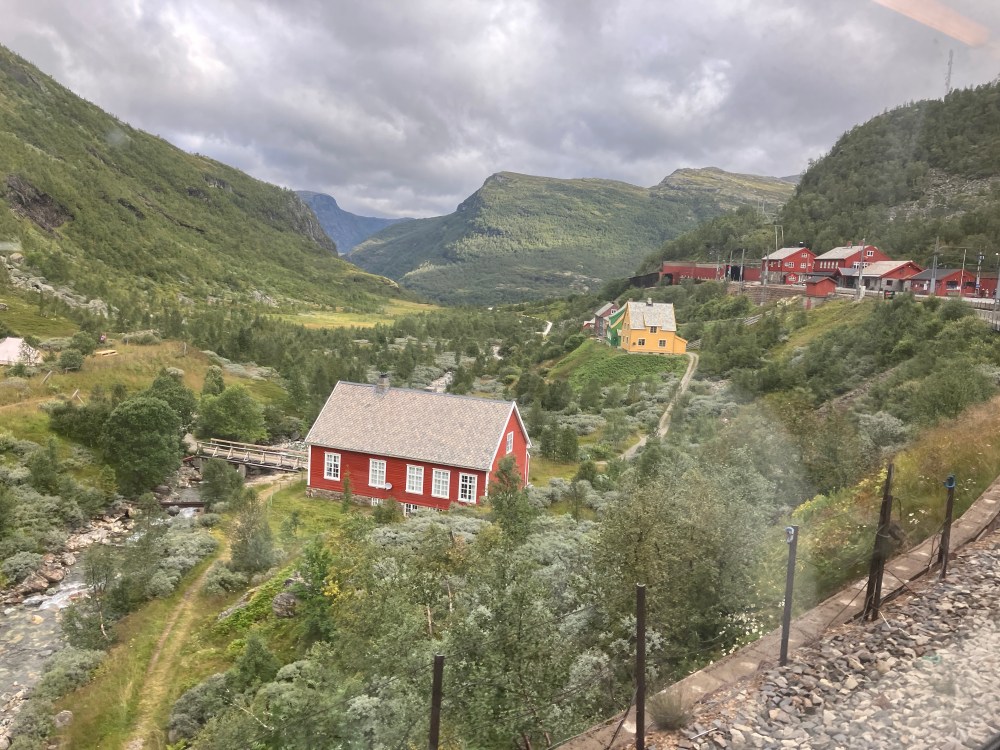
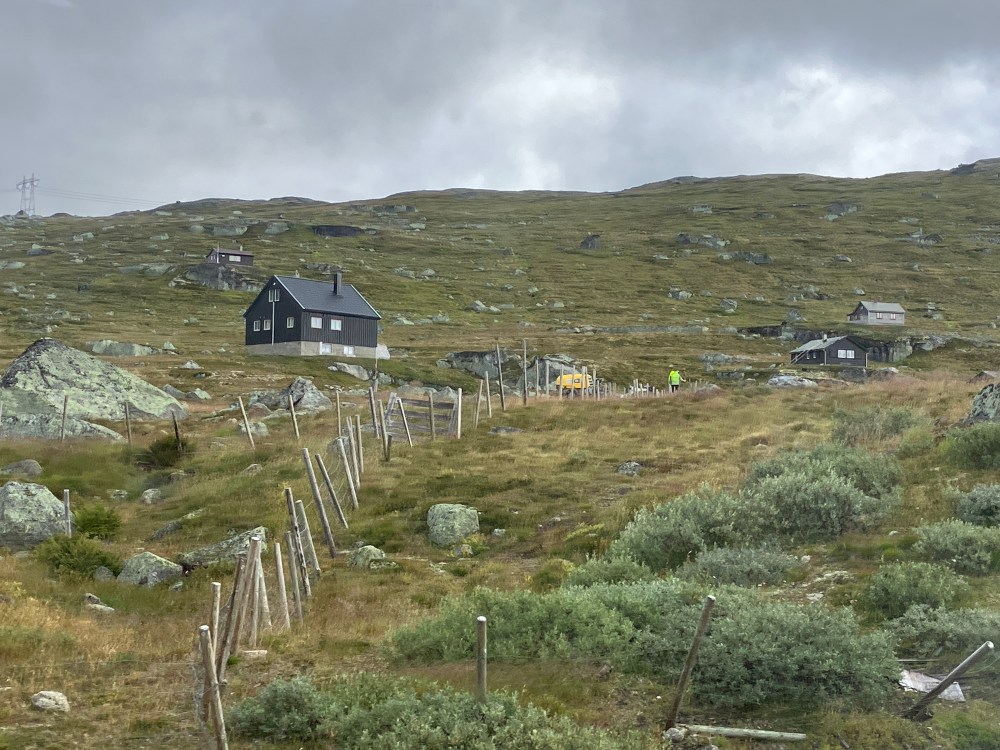
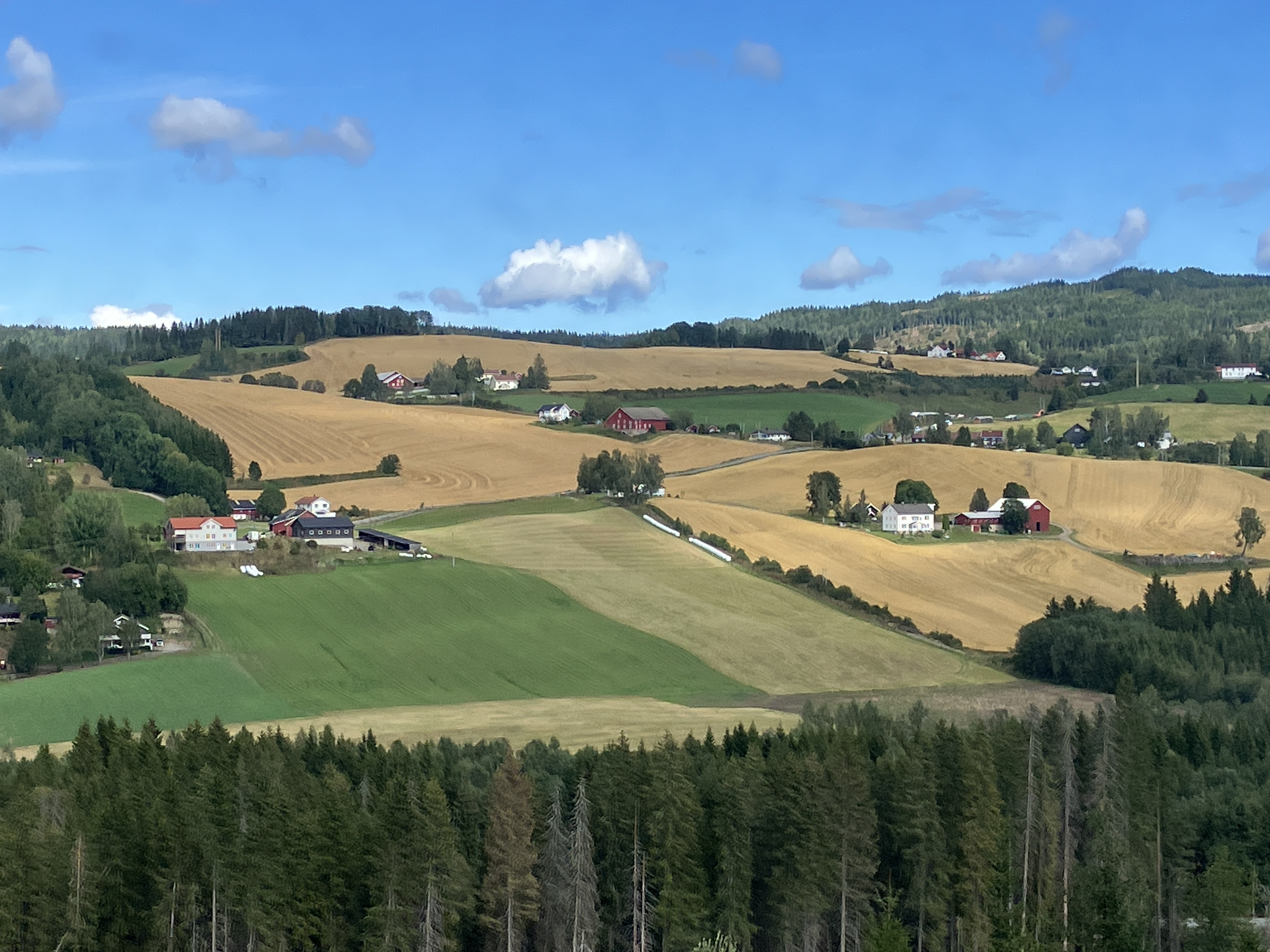
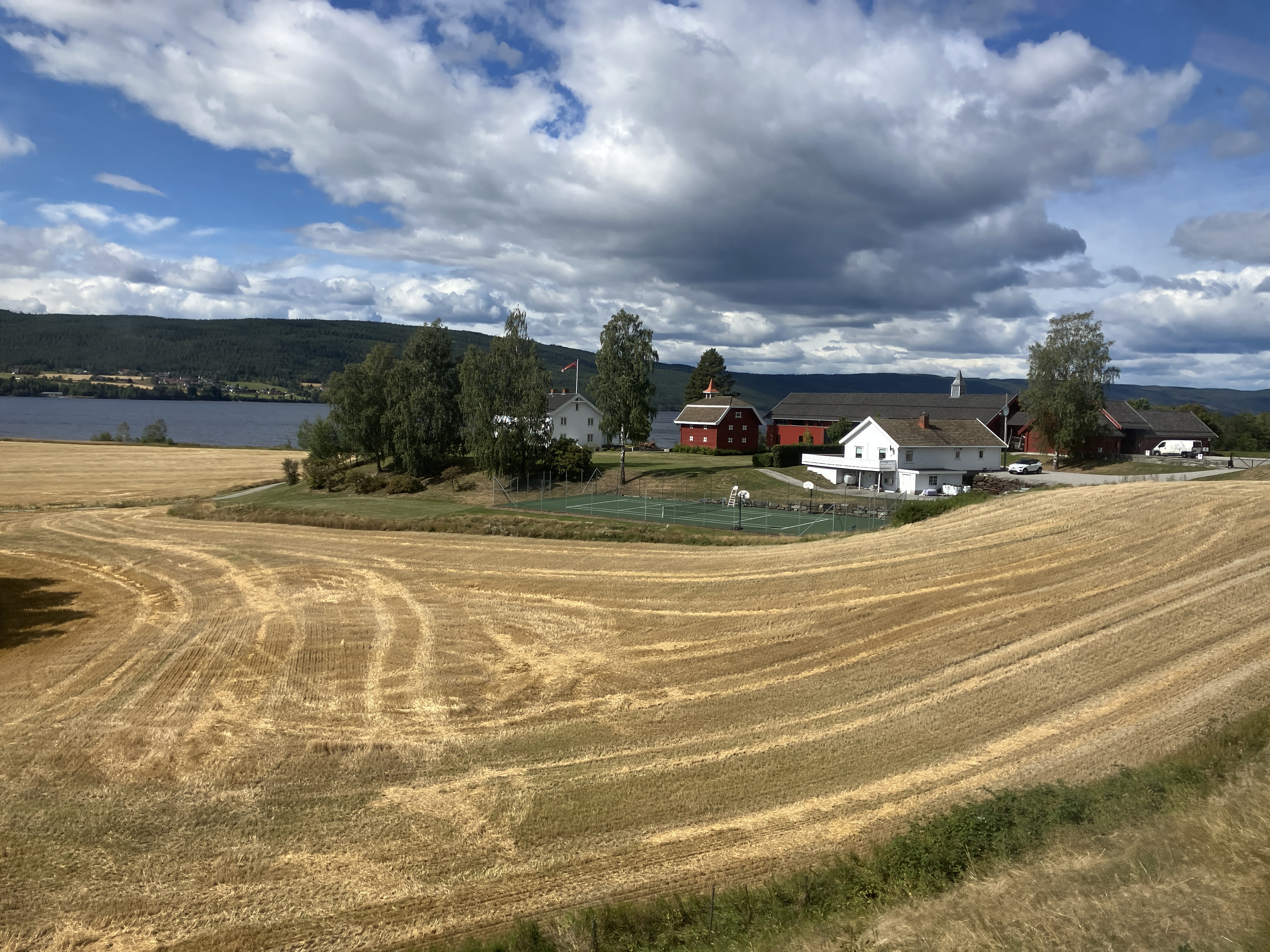
The train ride between Bergen and Oslo lived up to its reputation of being especially beautiful, but unfortunately it wasn’t highly photographable. The train tracks along the fjords gave stunning views but if you blinked you might miss them as the train went through tunnels or into wooden snow-protection “shelters”. By the time M had his phone up for a photo, it was often already obscured. But he did get some good ones!

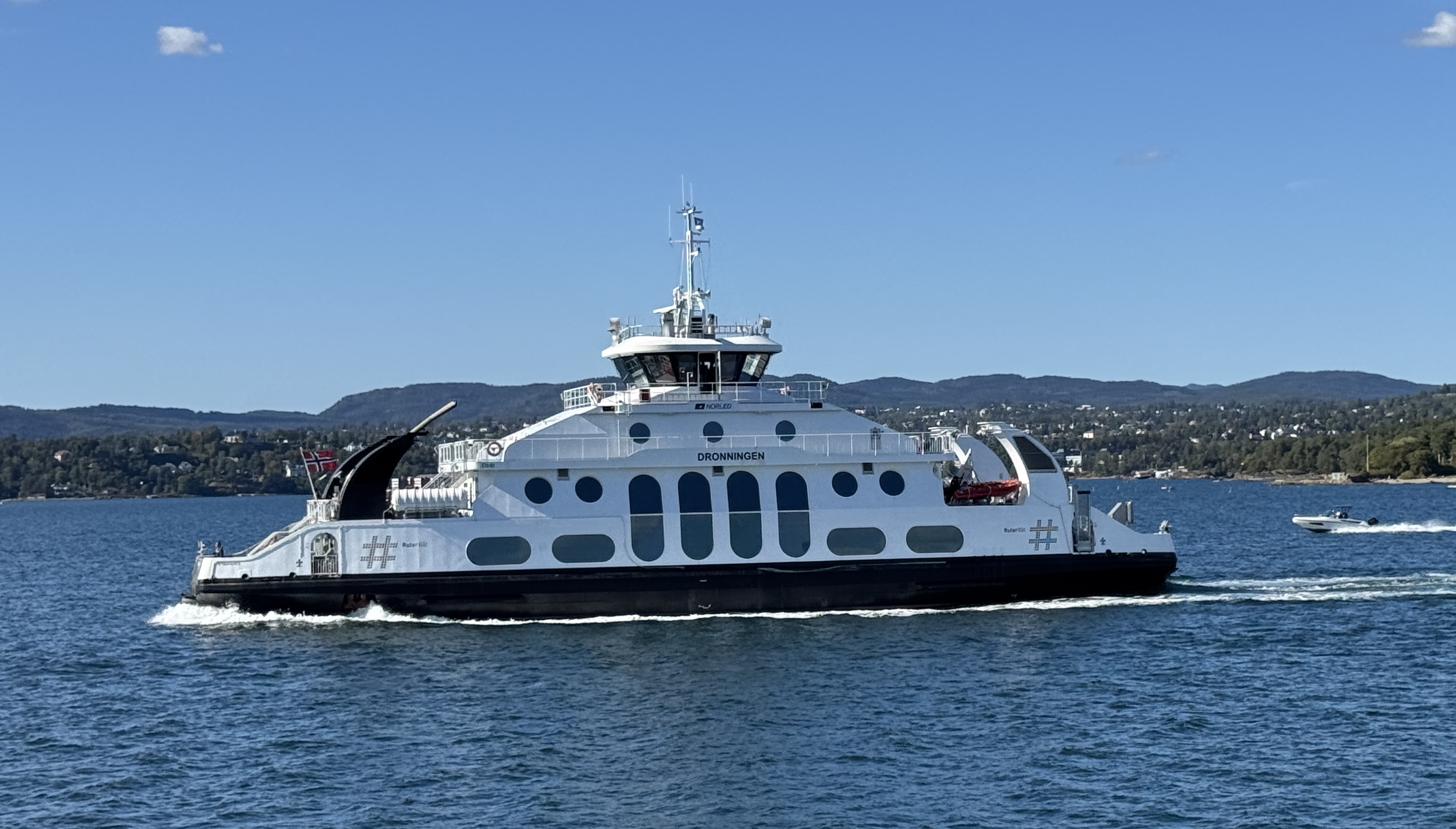
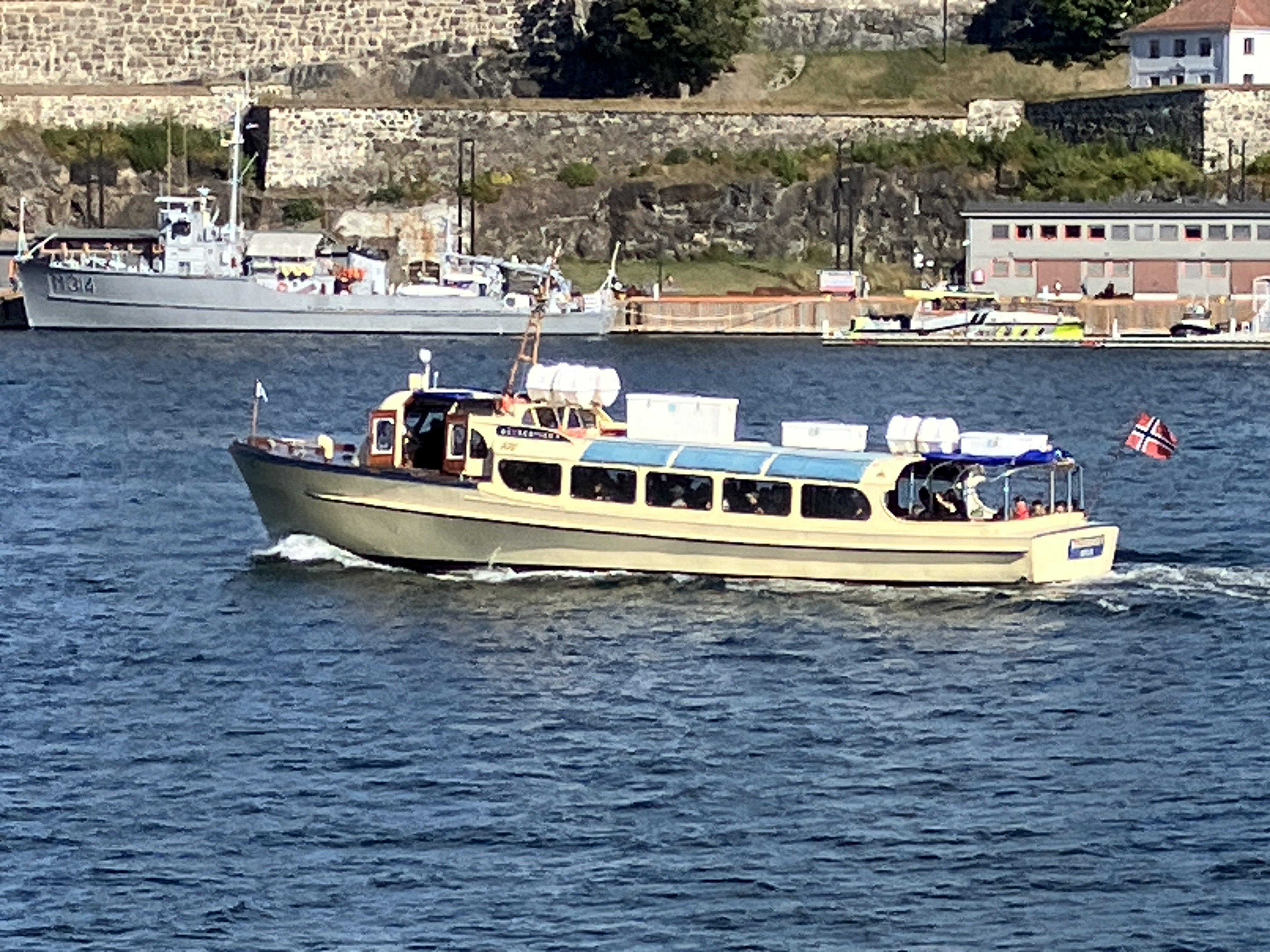
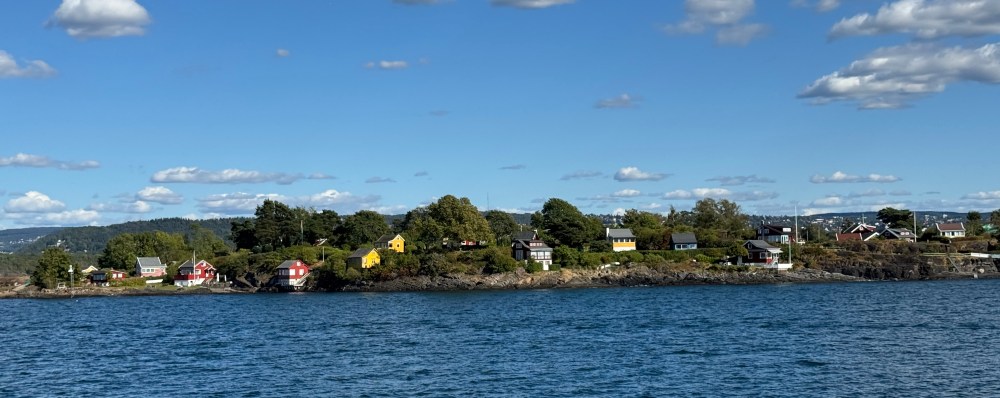
Oslo doesn’t have a lot of old buildings, having burned completely 12 (!) times. They did finally start building out of stone and brick instead of wood in the 1600s, but even most of those buildings are gone. The city is very walkable, and if you don’t feel like walking there are trams, busses and ferries. It’s such a pleasure to visit a city where public spaces are so obviously a priority. And of course there are lots of other boats, too!
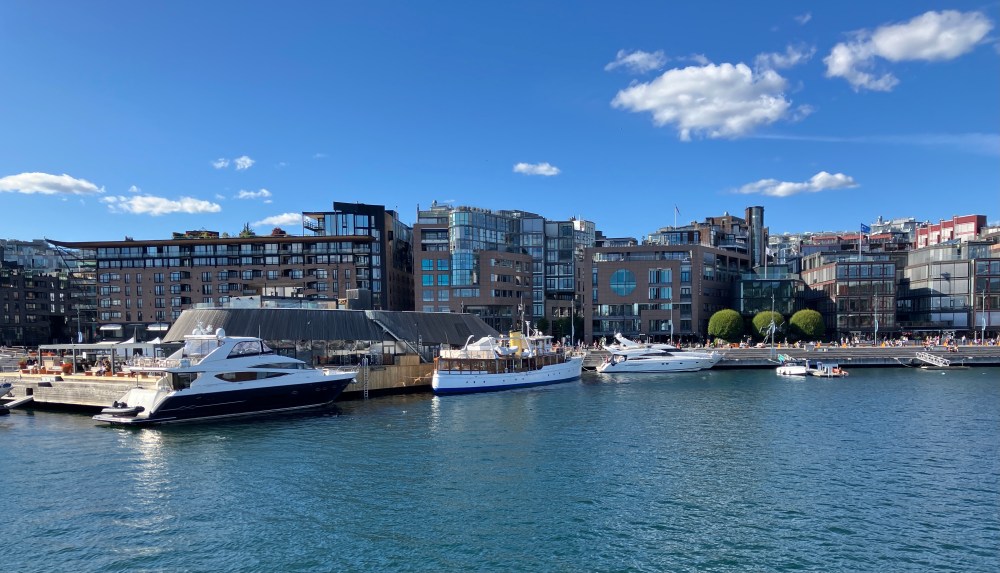
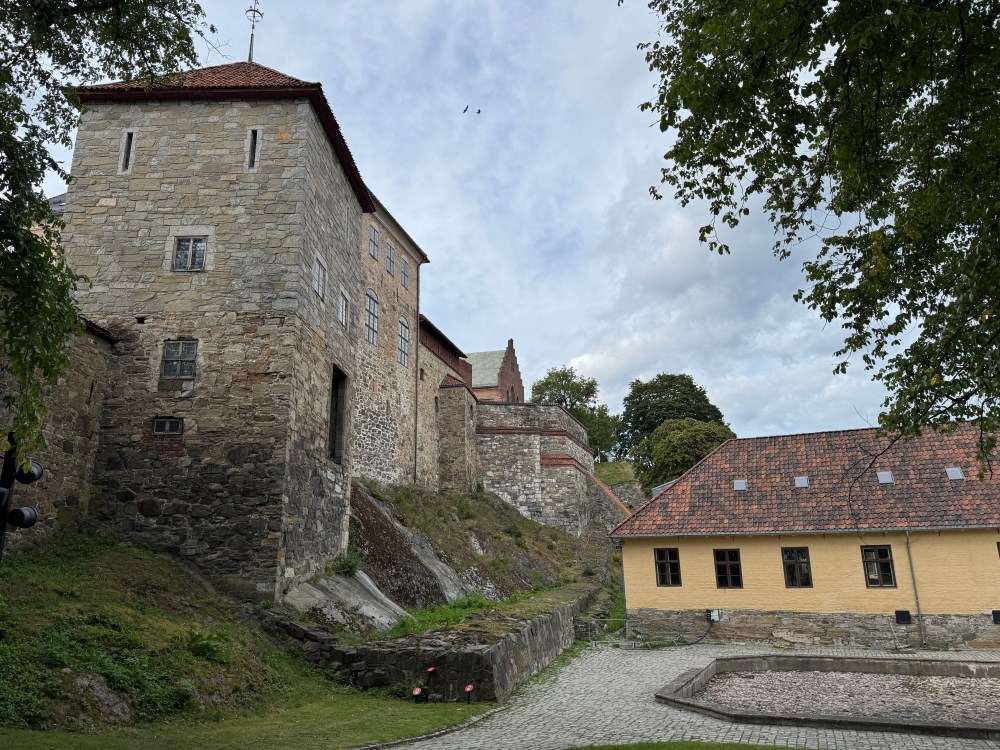

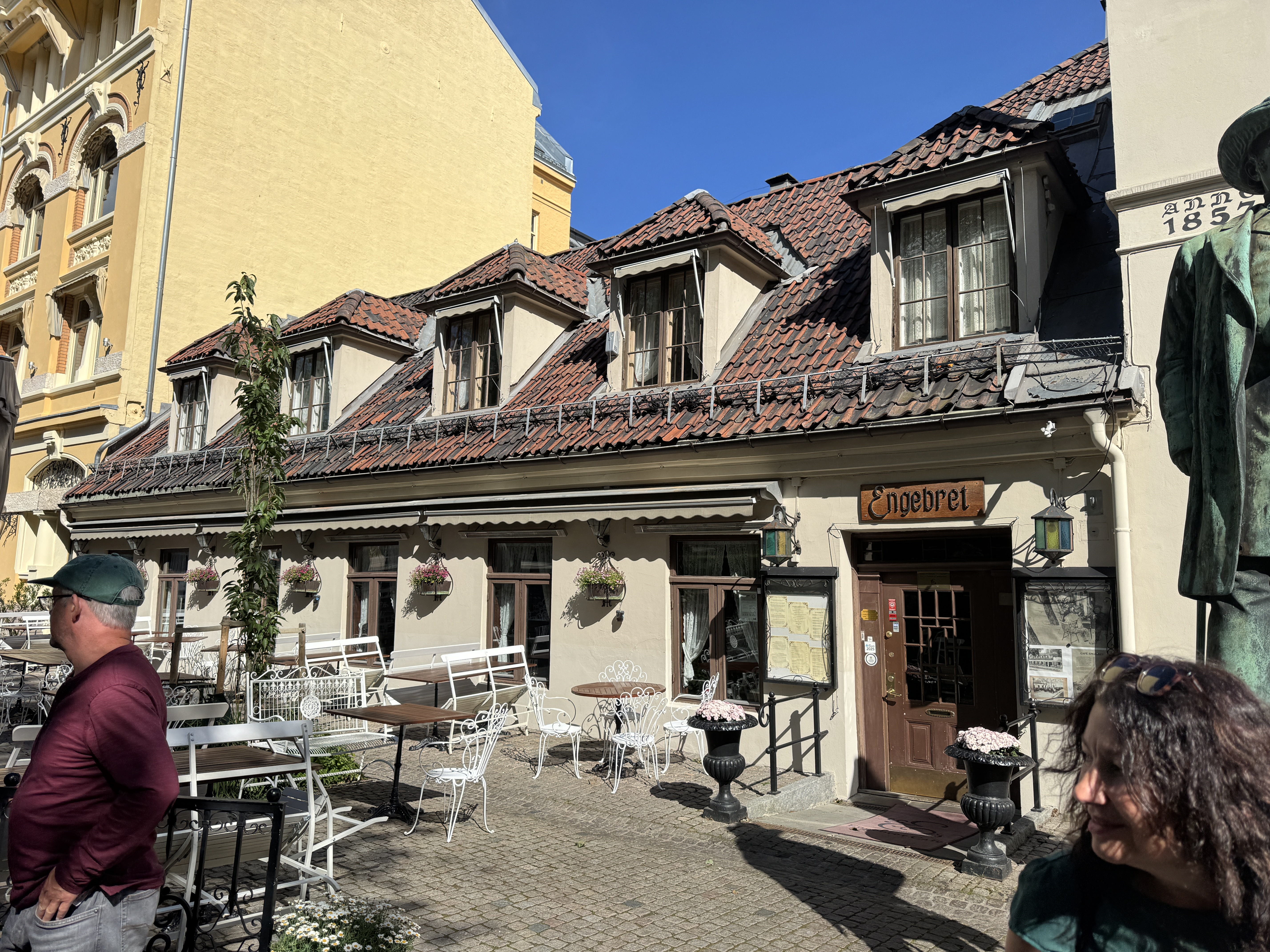
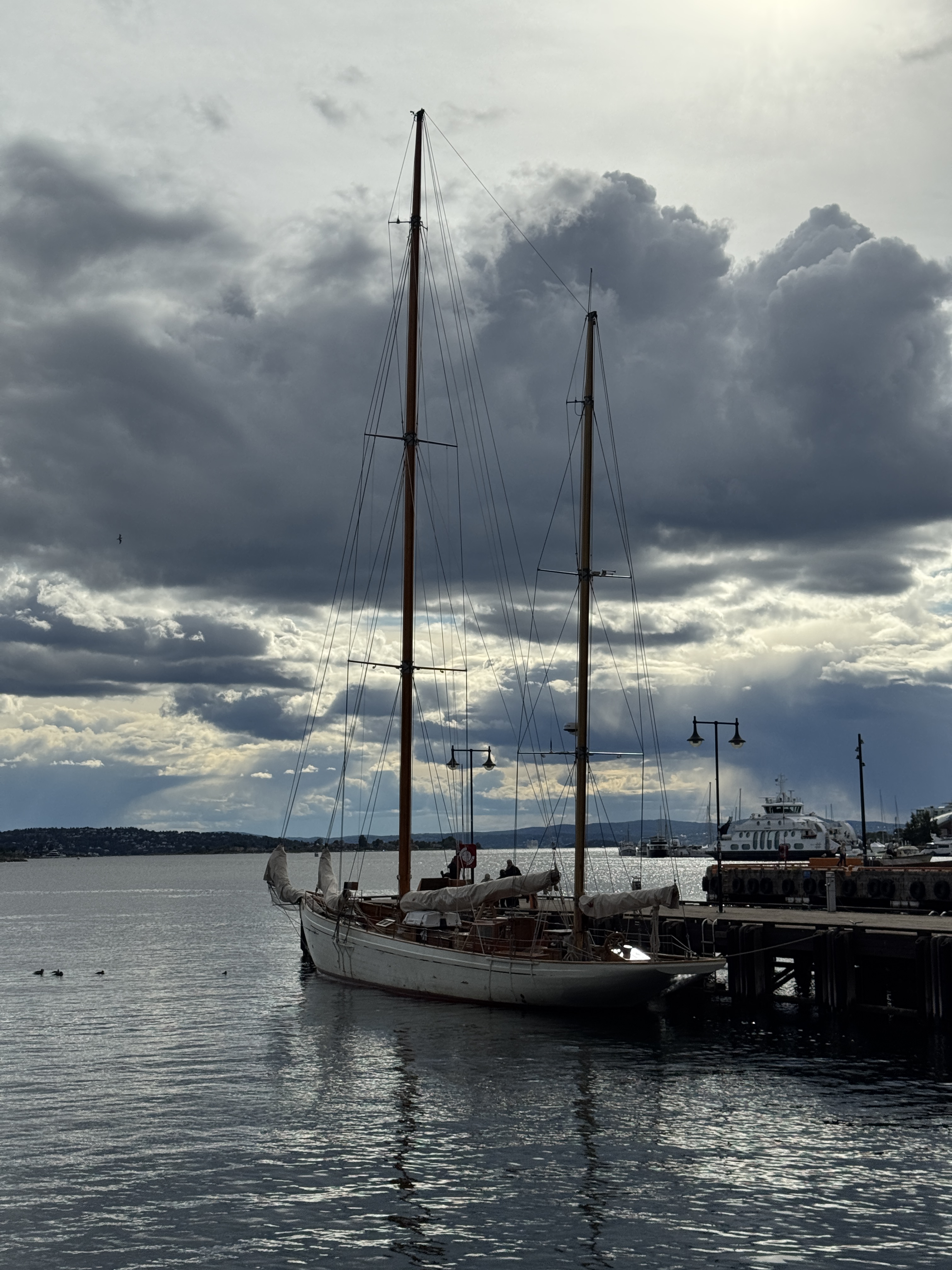
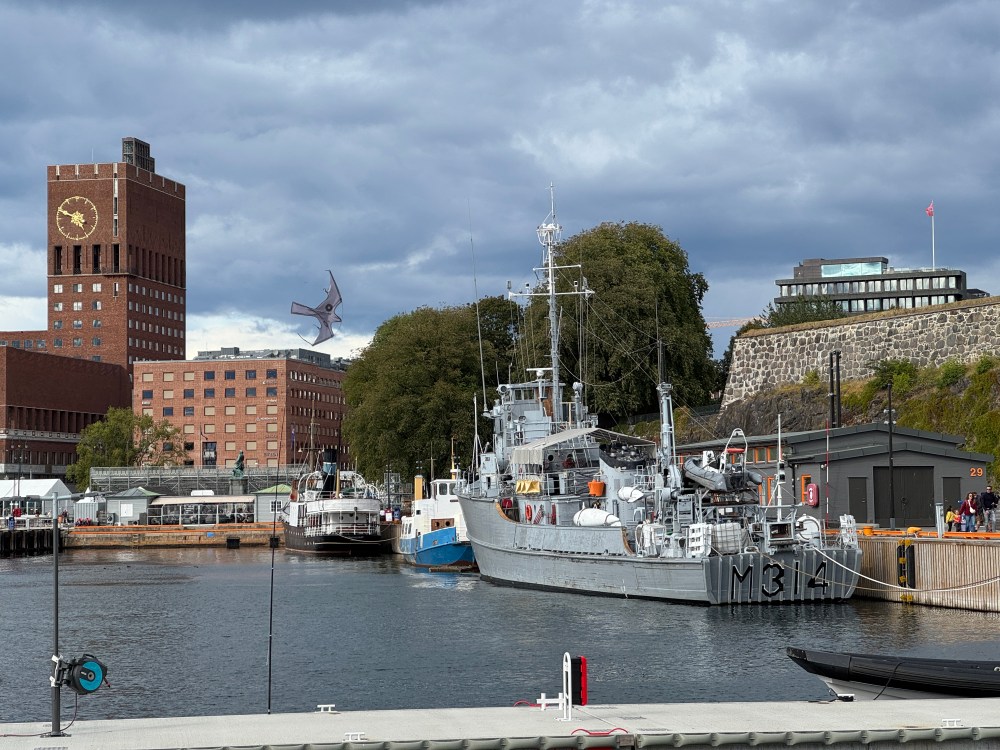
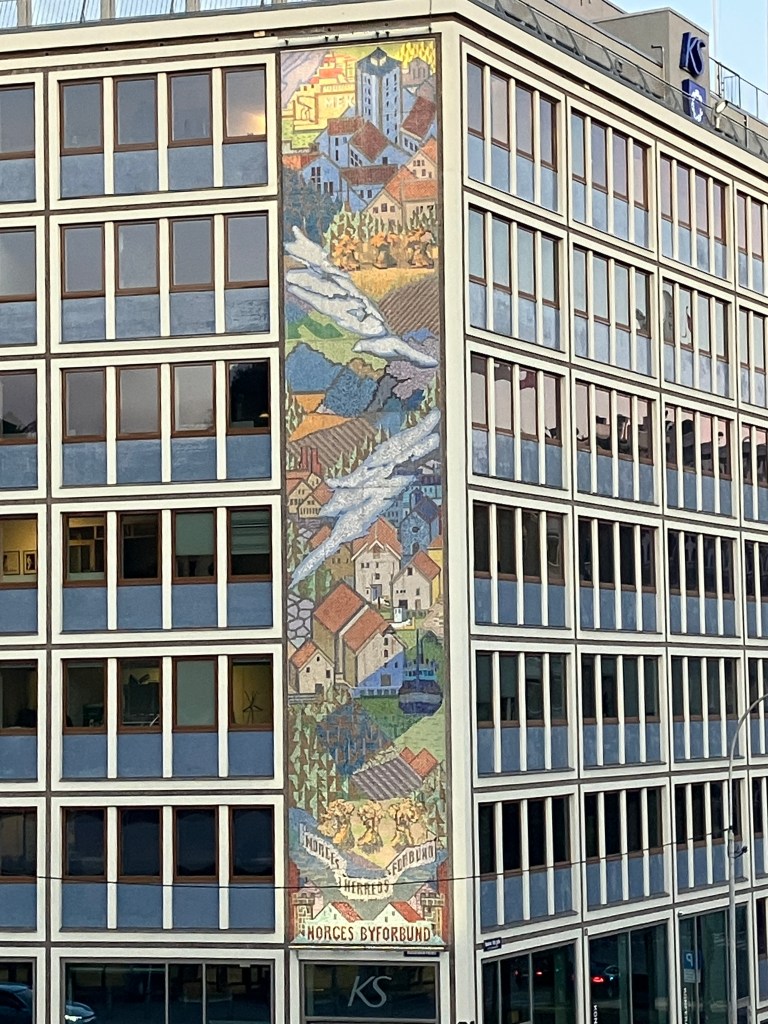
We took a “free walking tour” on our first morning, which gave us some good tips on things to do as well as some history. (It’s “free” as in you tip them whatever you want at the end of the tour.) An Oslo Pass let us use all the public transport and get into all the museums we wanted to see. We even took a commuter ferry round-trip just for the pleasure of being out on the water and seeing more of the fjord.
We visited the National Museum and saw what is probably the best known Norwegian painting – Edvard Munch’s The Scream. I’m sorry to say I much preferred his paintings of his wife!
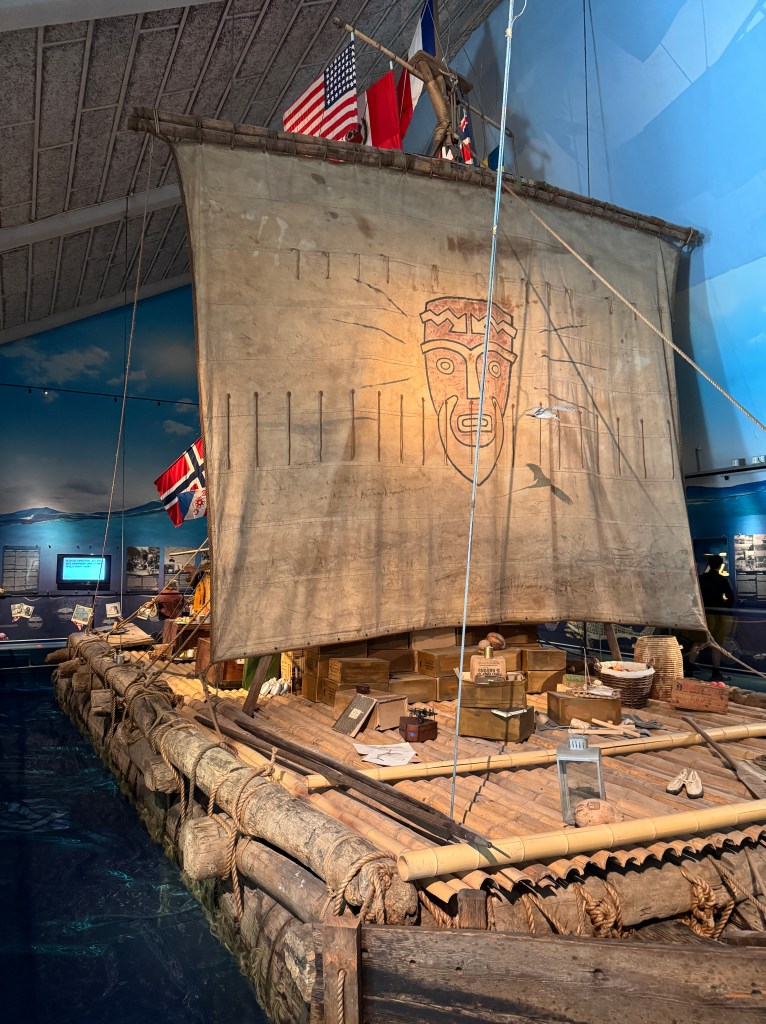
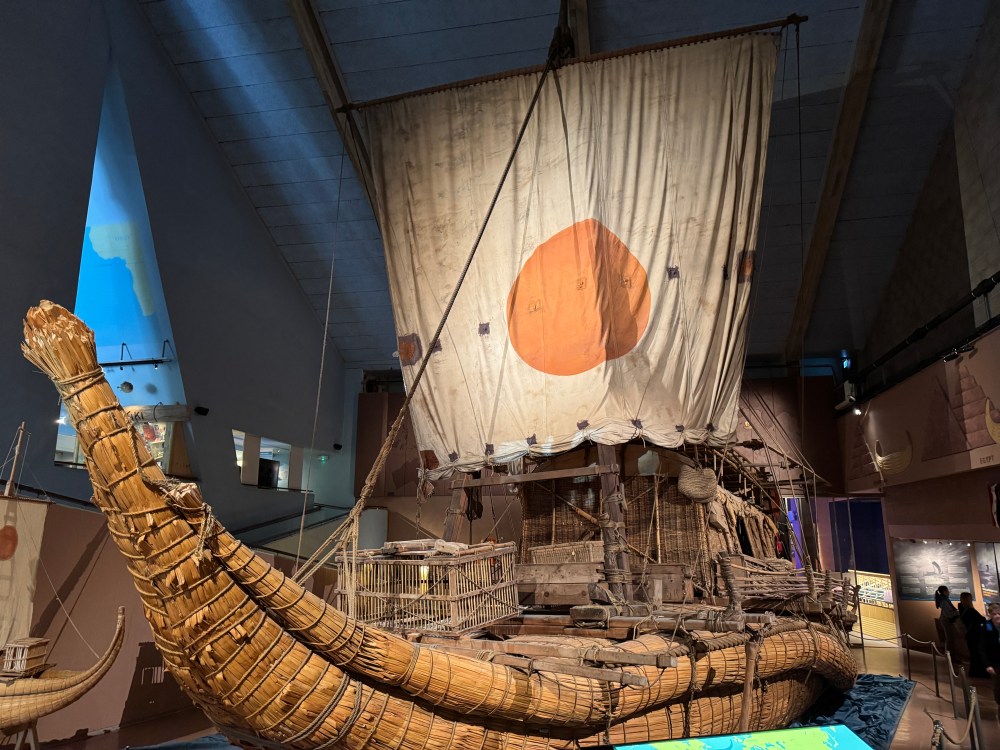
We went to the Kon-Tiki museum, bringing back memories for both of us of reading Thor Heyerdahl’s book a long time ago – and reminding us it takes a special sort of someone to sail an untested balsa wood raft from South America across the Pacific! And then do it again with a papyrus reed vessel (the Ra), trying to go from Africa to South America – that one sank.
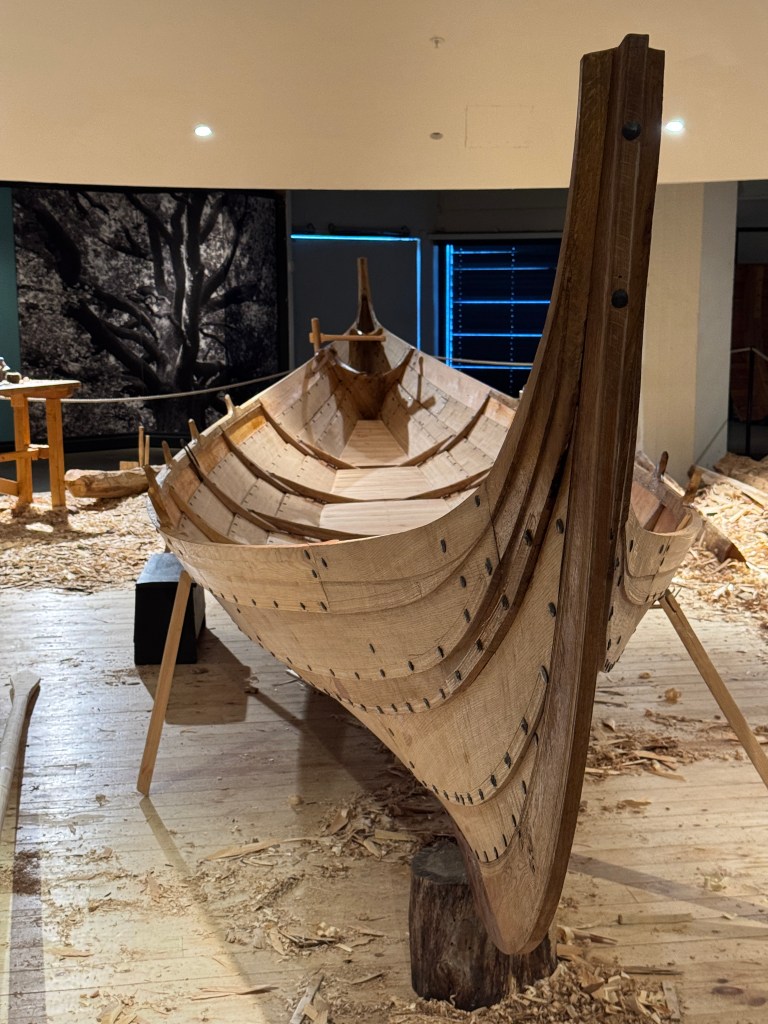
The Norwegian Maritime Museum clued us in that many of today’s cruise lines are owned or were started by Norwegians – who knew? And the cafe there clued us in that we really like skollebolle – a pastry filled with vanilla pastry cream and dusted with coconut. (Ships are interesting, but we all have to have our priorities!)

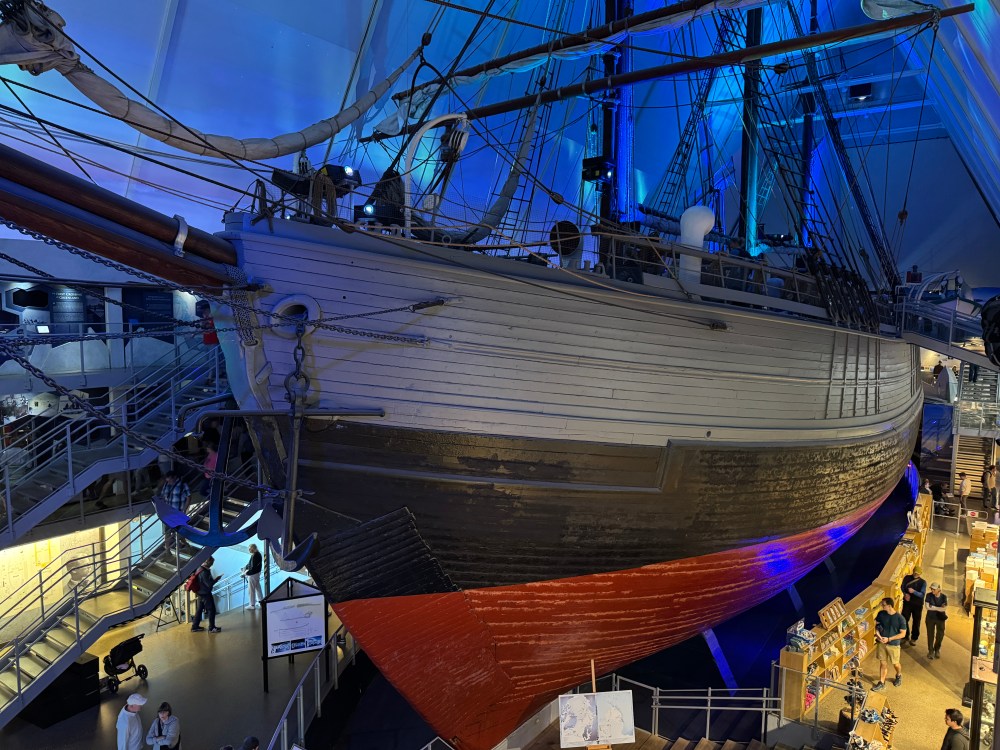
But the most interesting museum was the Fram – a museum built around the actual Fram ship that delivered Roald Amundsen and his team to Antarctica, where they became the first to reach the South Pole. Unlike Heyerdahl, who appears to have been very much an “idea” guy, Amundsen had not only ideas but was also very detail oriented and got lots of practical experience in the arctic before attempting the South Pole. Maybe it’s just my engineer’s bias, but his approach just made all kinds of sense. The competing British team, lead by Perry, took ponies to Antarctica while Amundsen took huskies. Ponies eat grass, huskies eat meat – which of these is easier to get in Antarctica?
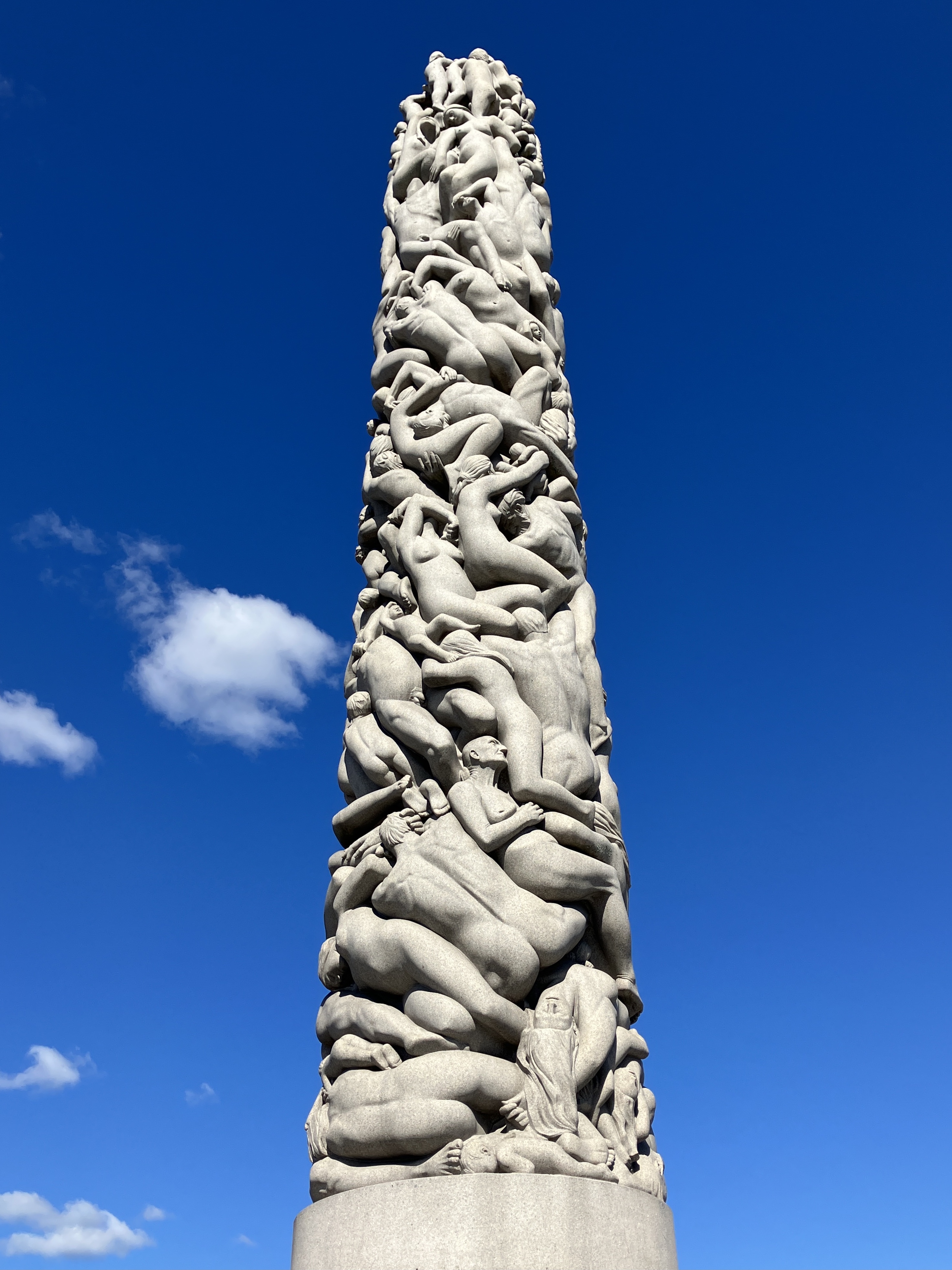
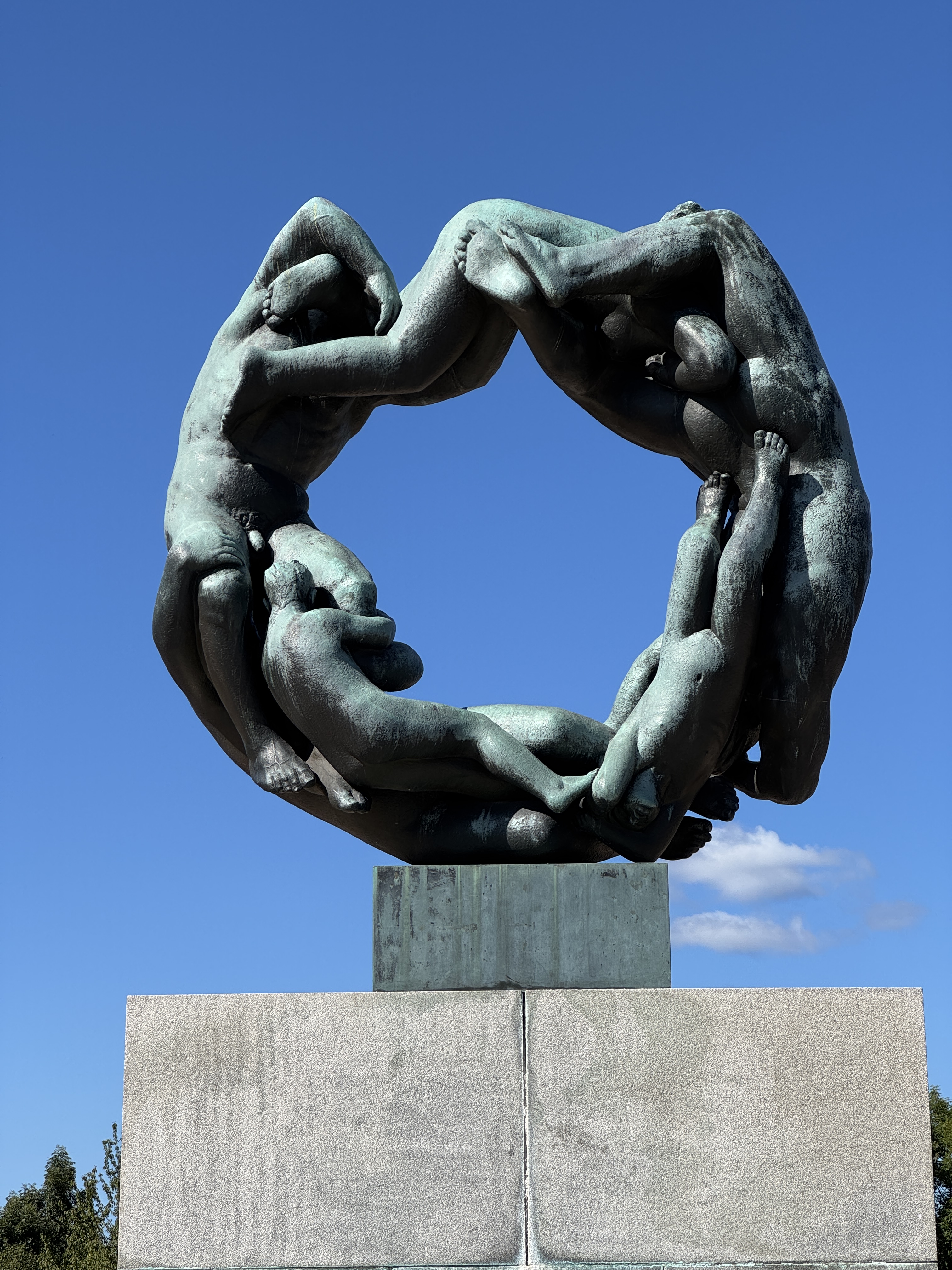
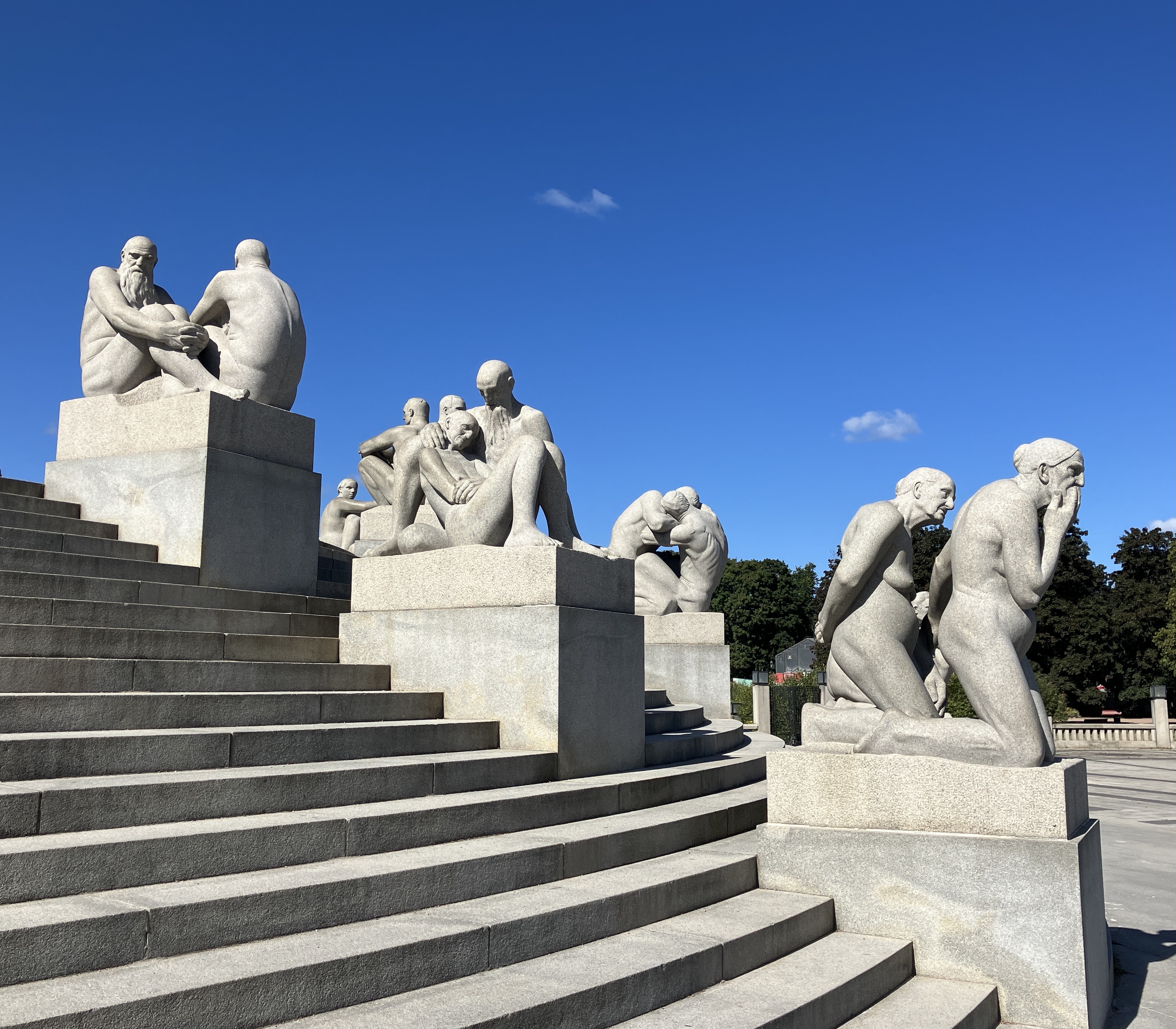
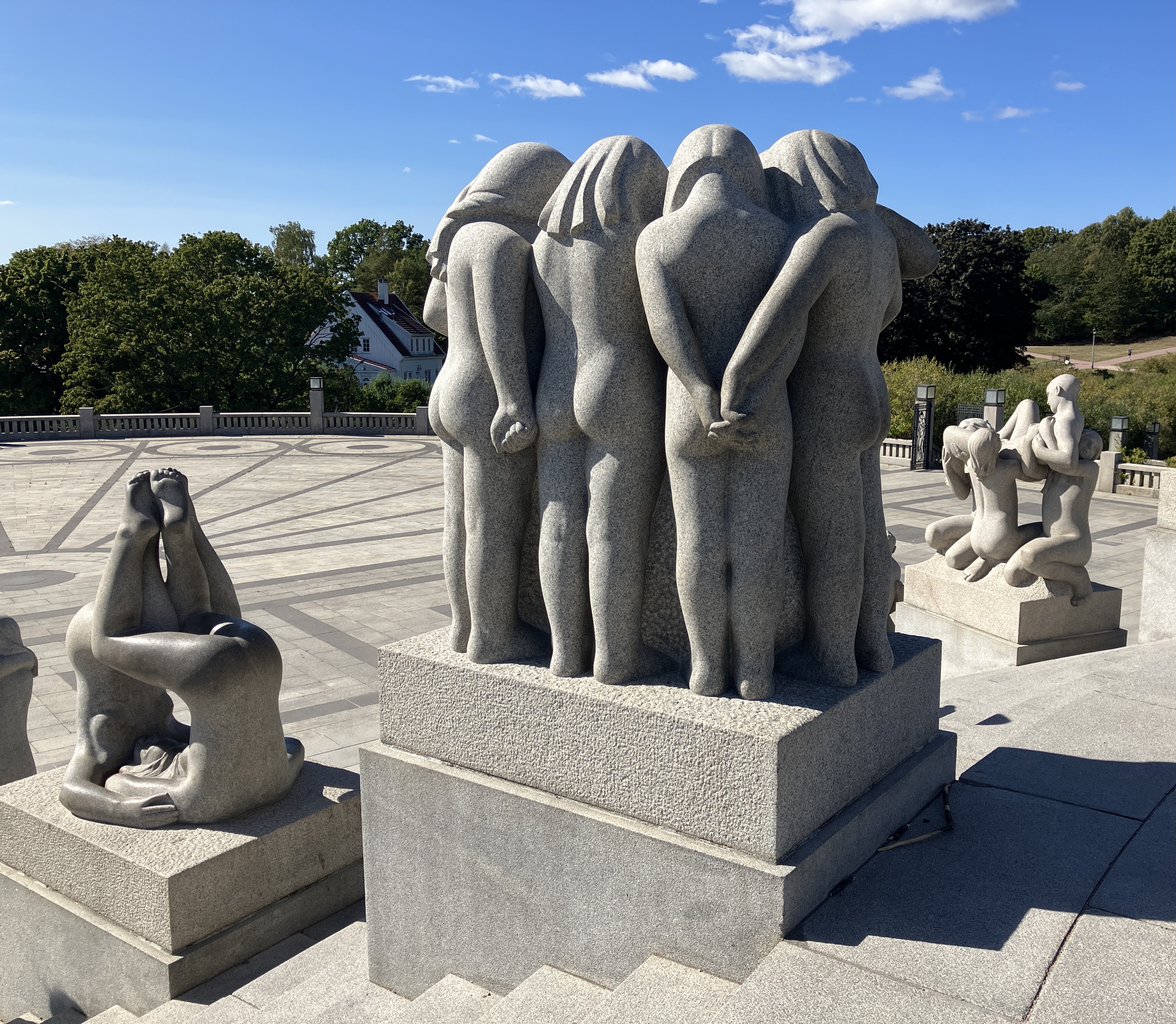
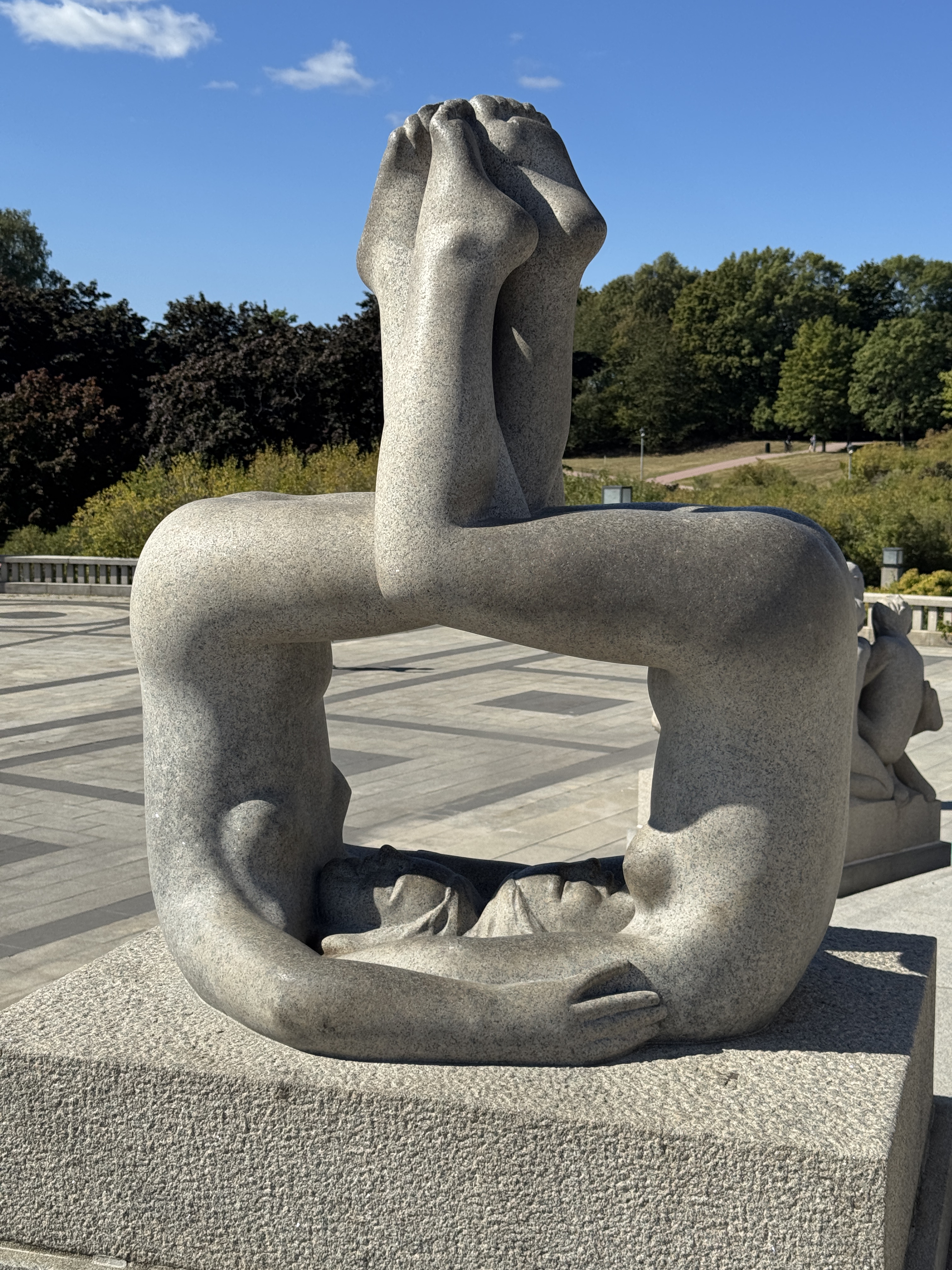
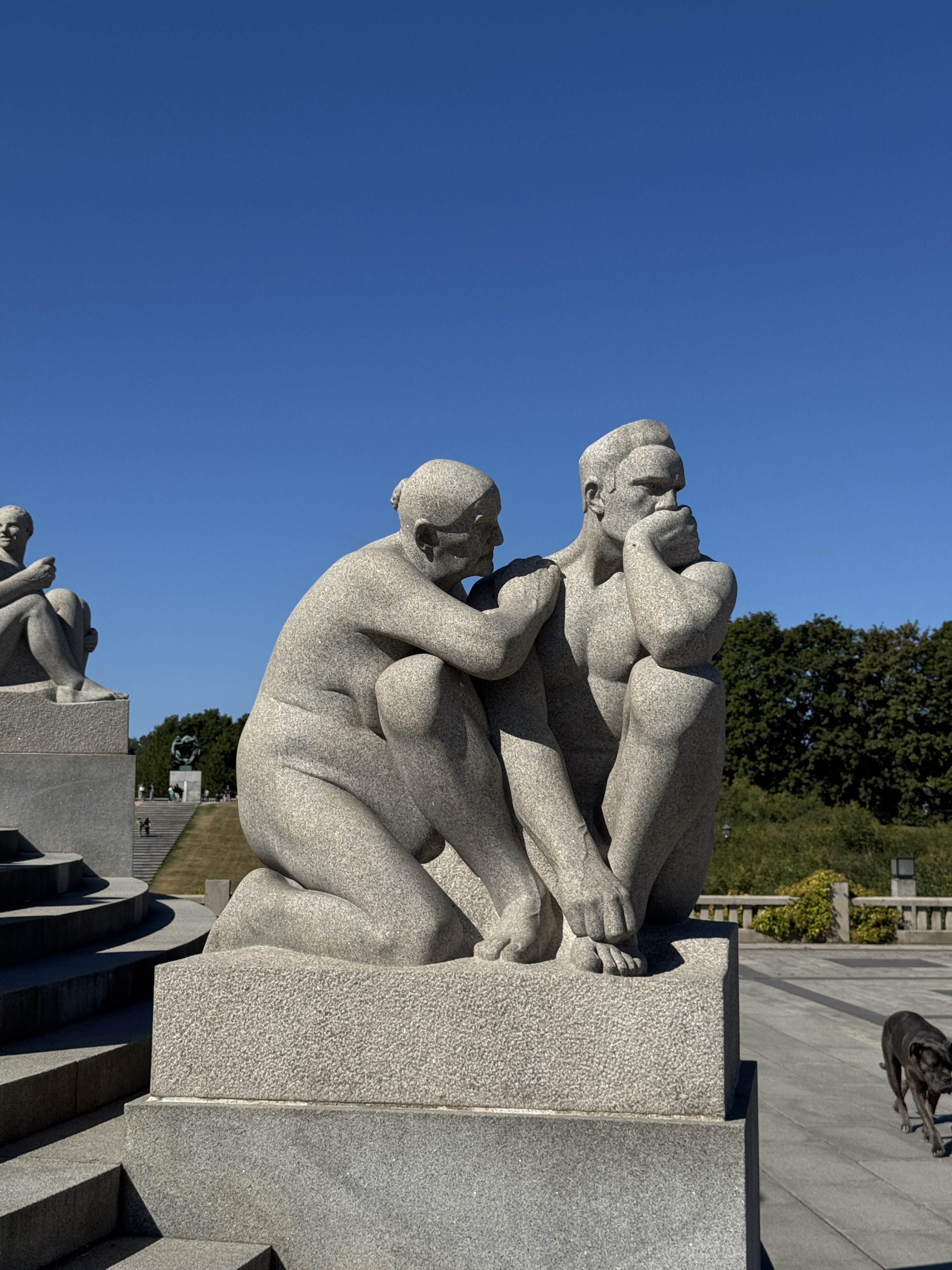
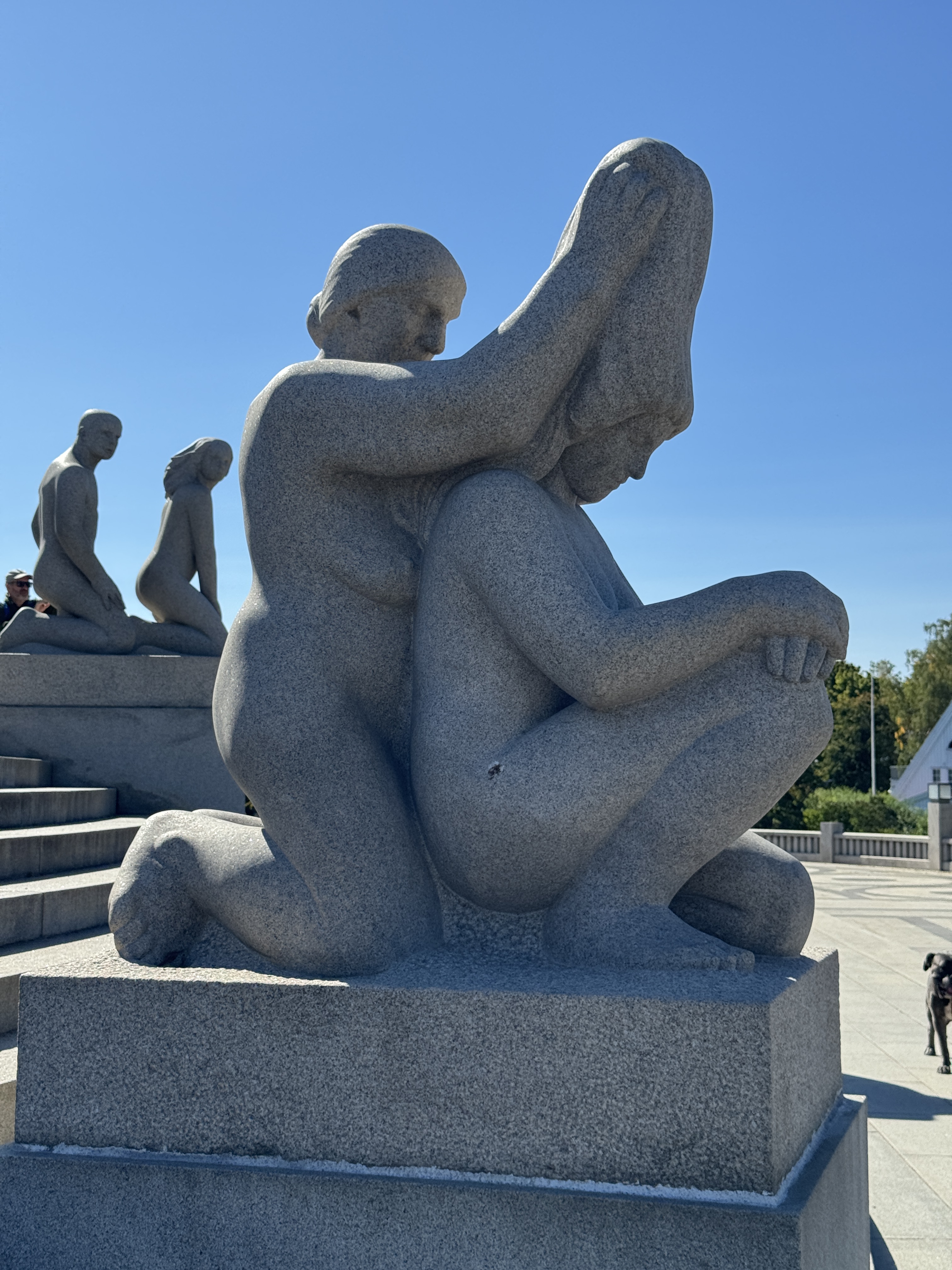
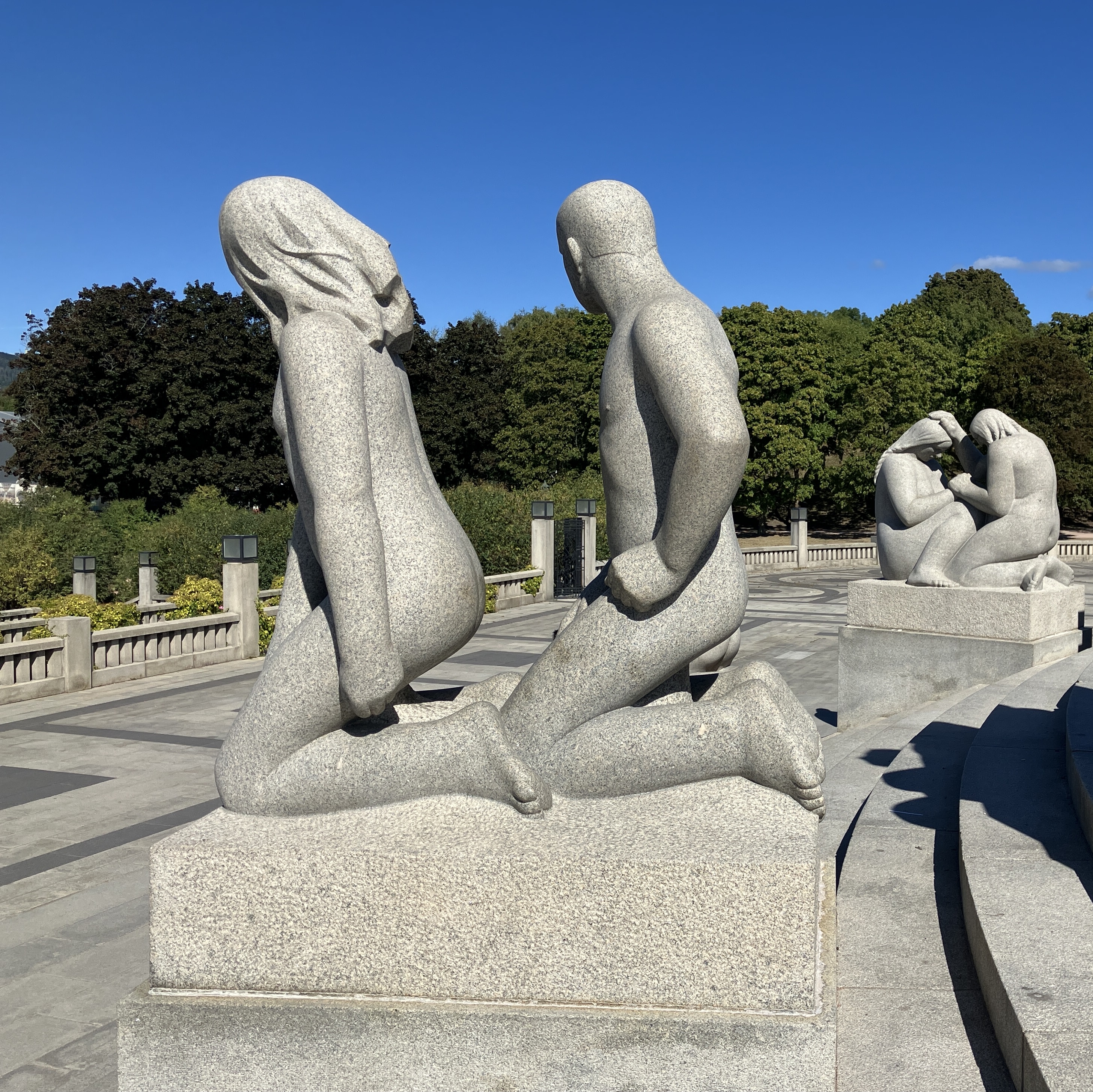
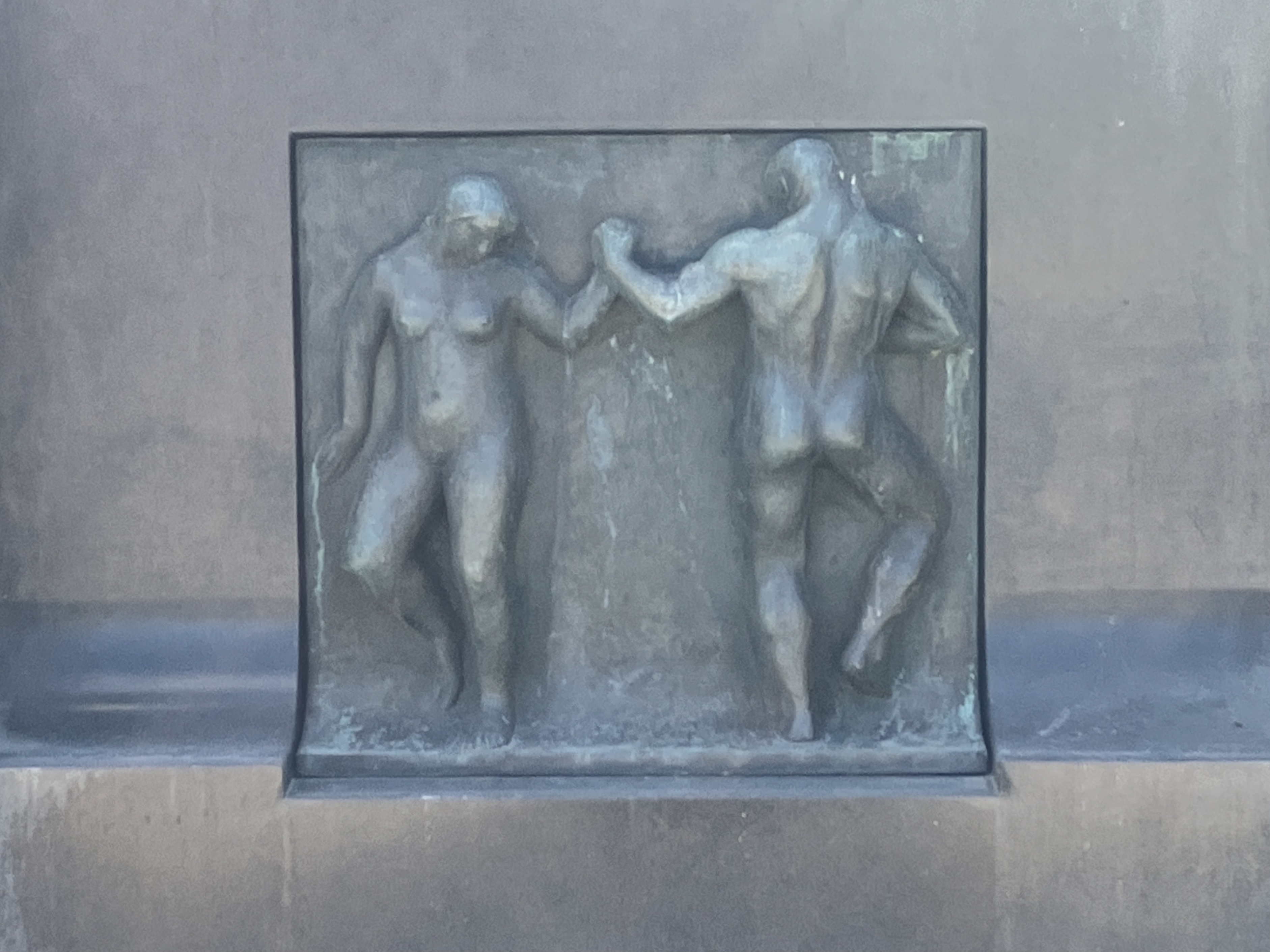
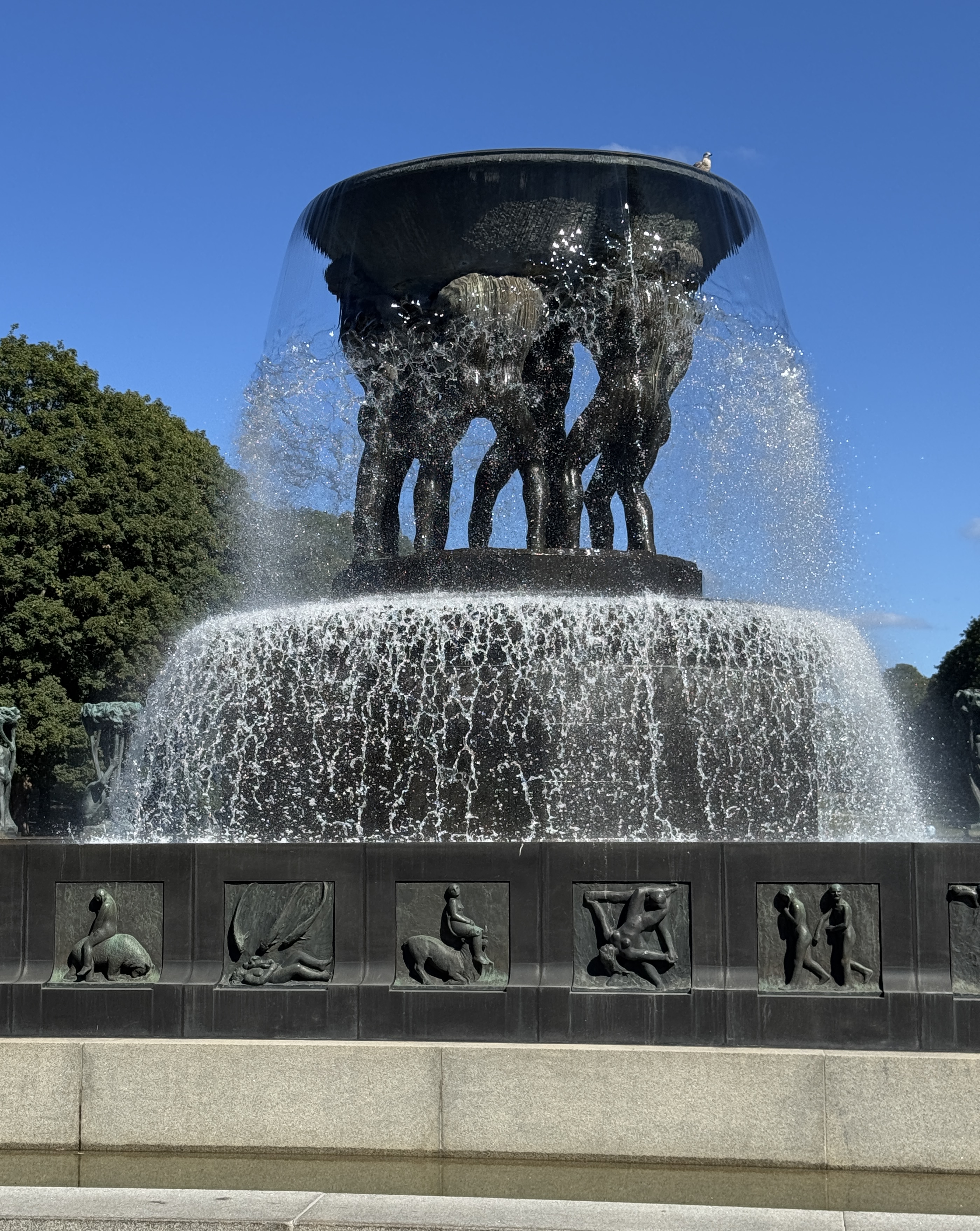
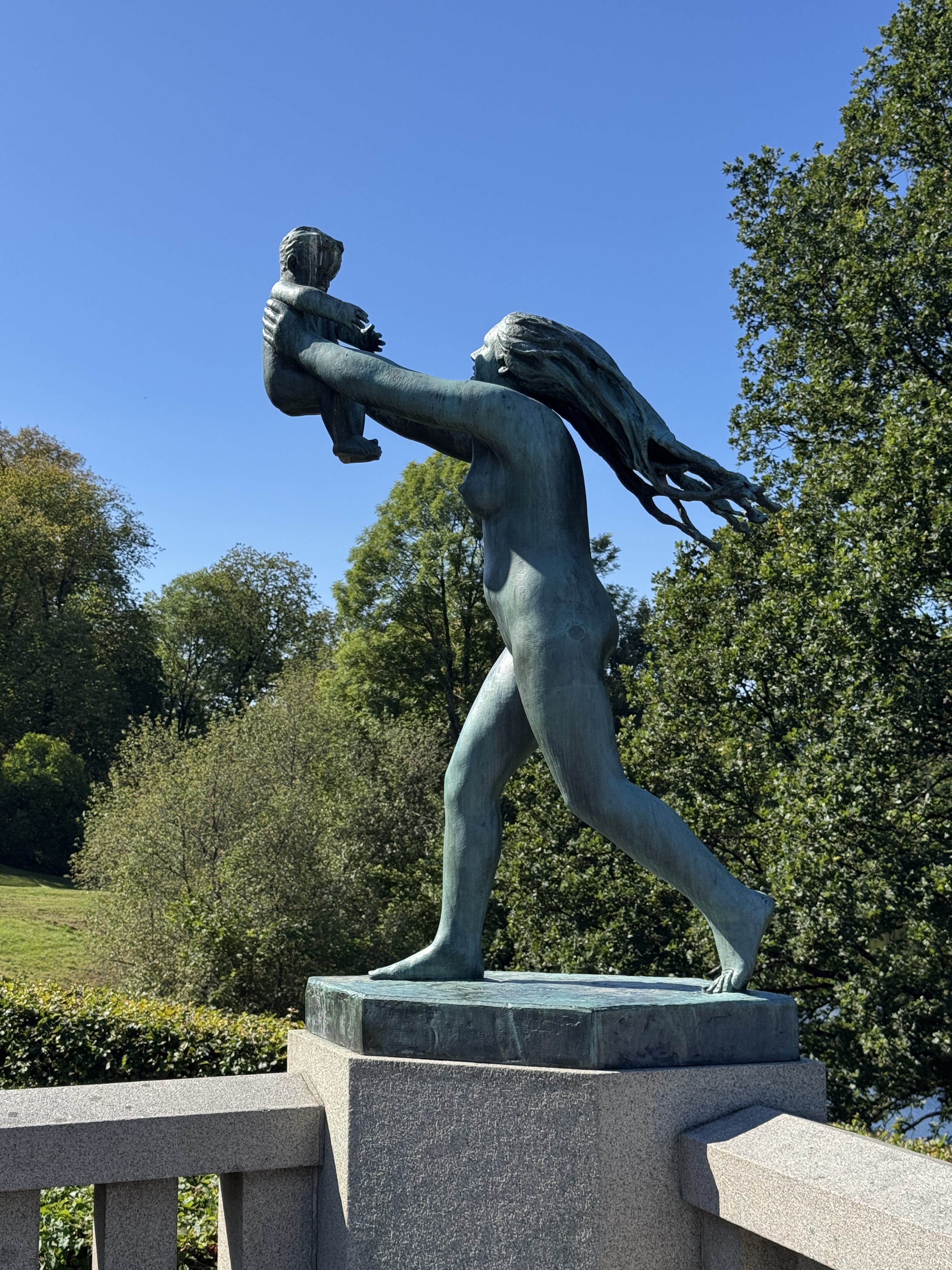
We didn’t just go to museums – Vigeland Park was outstanding. It’s an amazing sculpture park. I especially enjoyed that the sculptures are of everyday activities, many featuring children. Not only war heroes are worthy of being immortalized in stone and bronze!
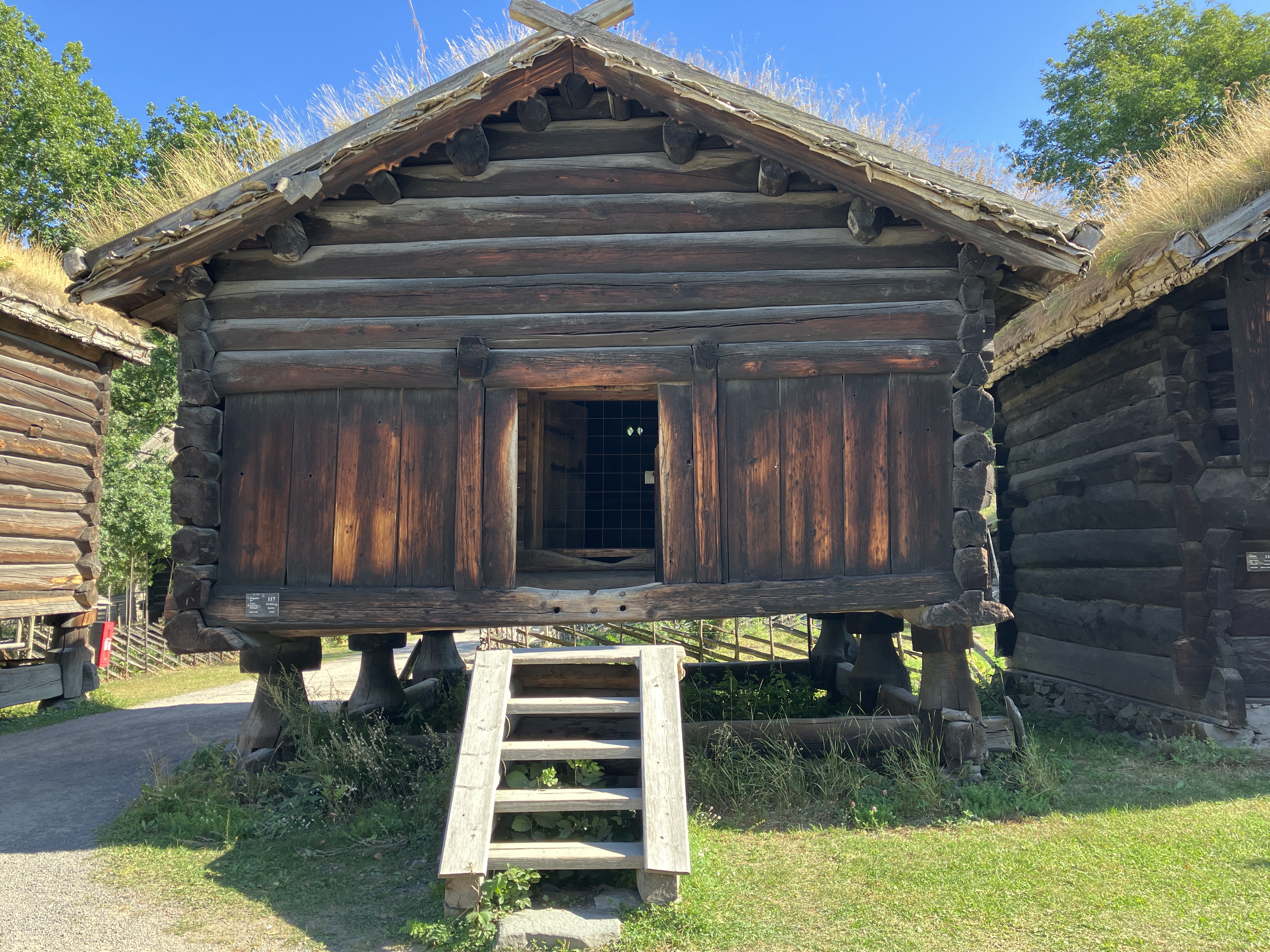
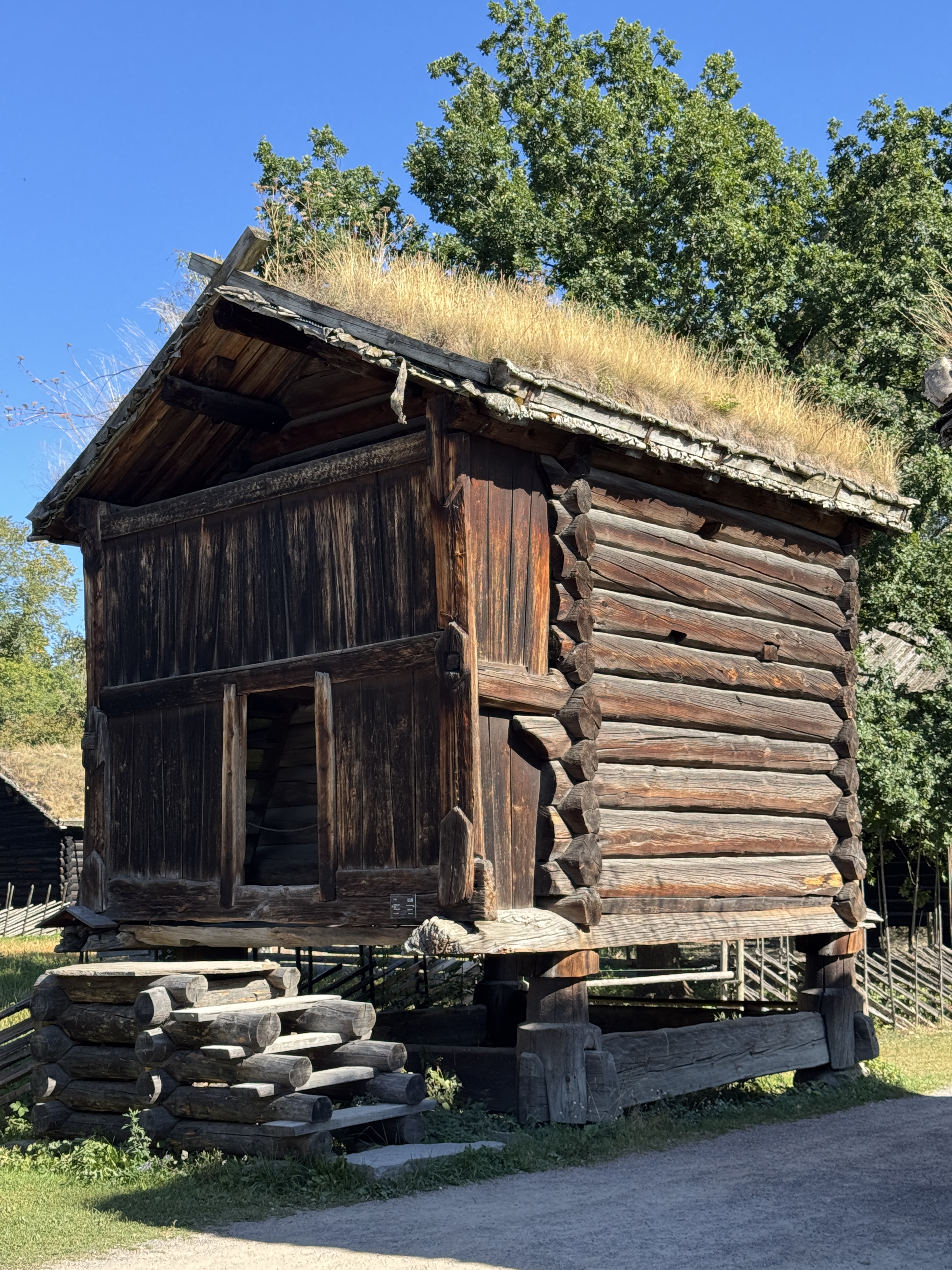
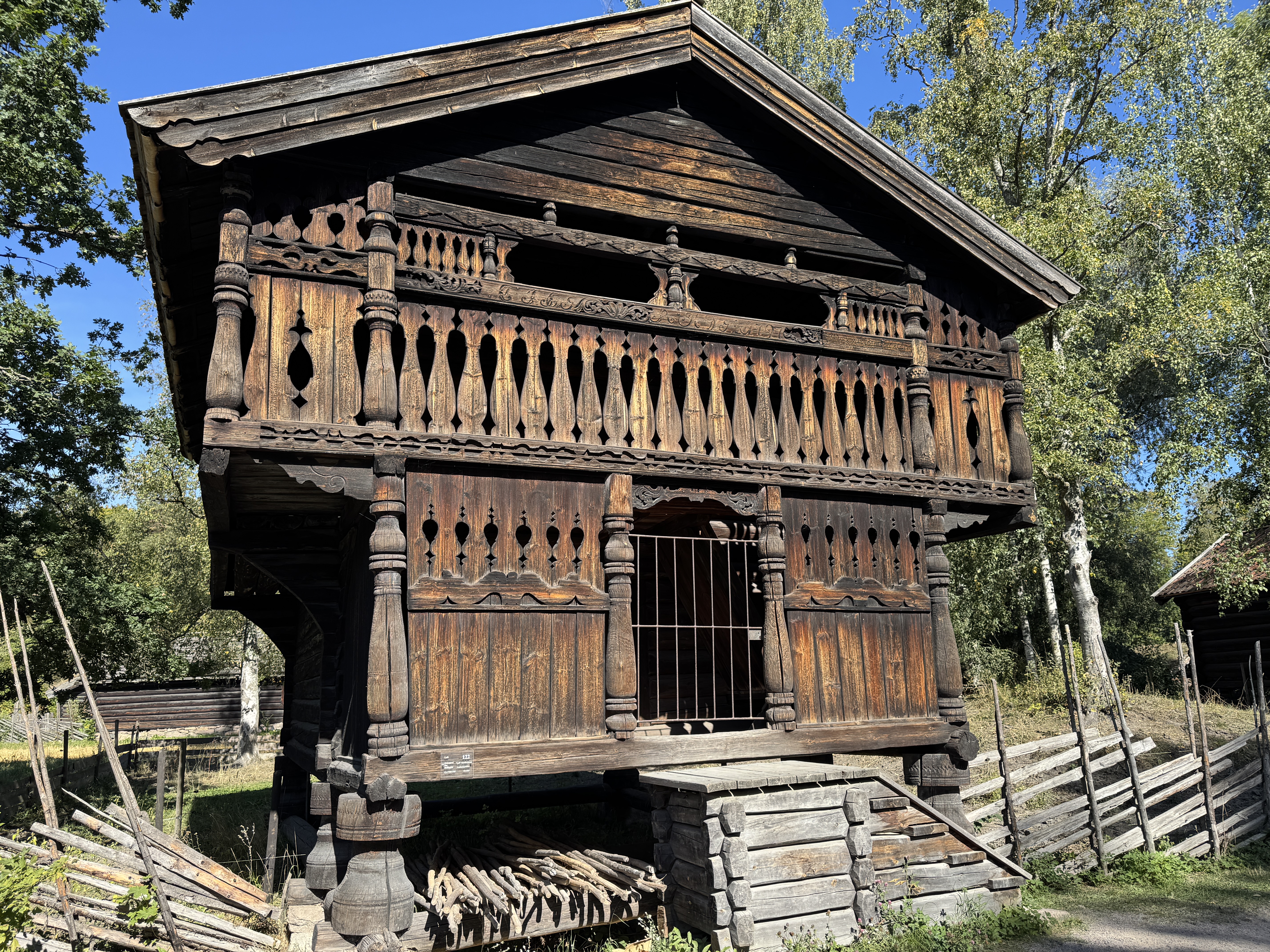
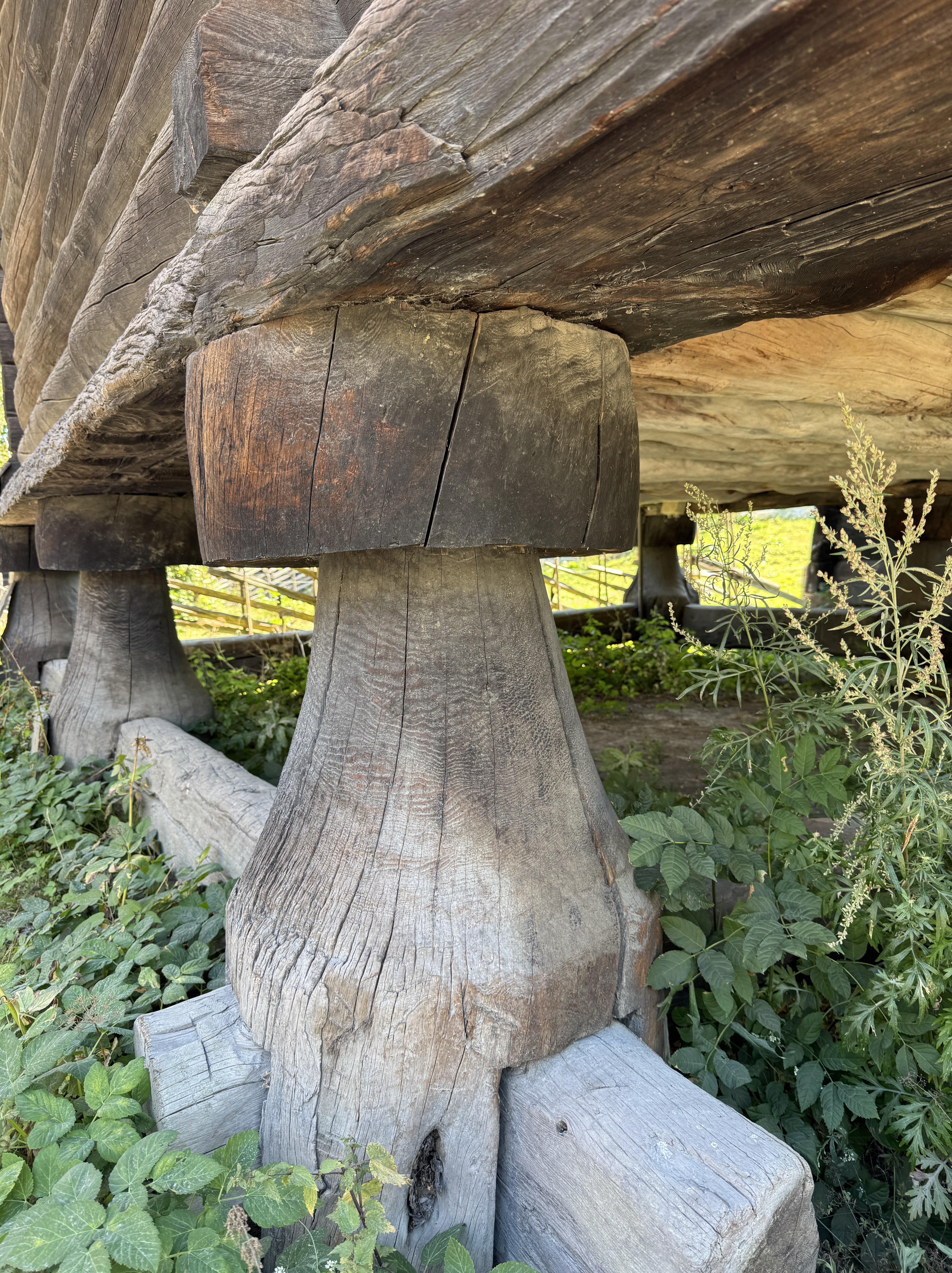
The Folkemuseum was also interesting, with old buildings from all around Norway. They say stave churches are built like upside-down ships – because that’s what the carpenters knew how to build – but it wasn’t immediately obvious to me.
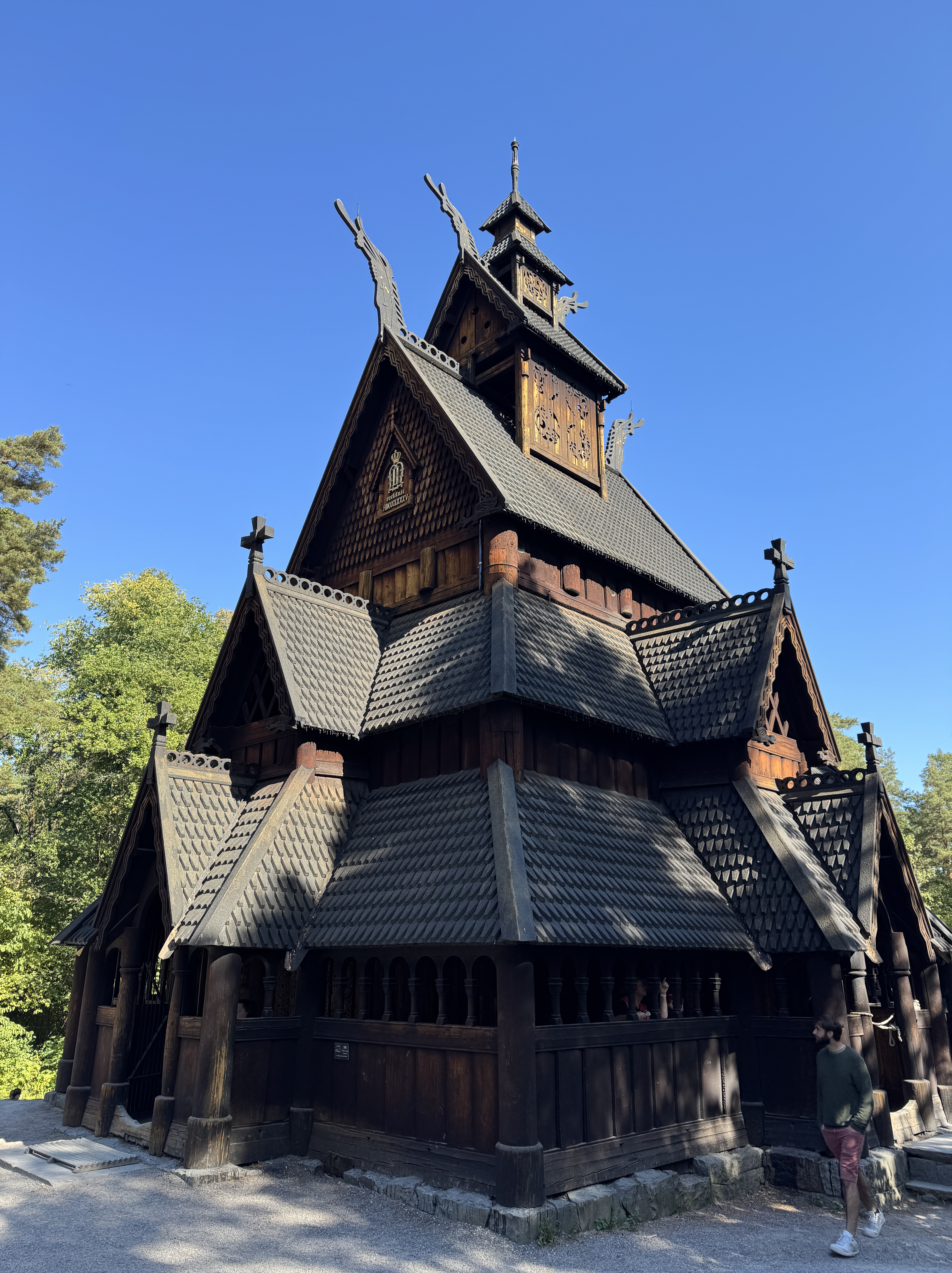
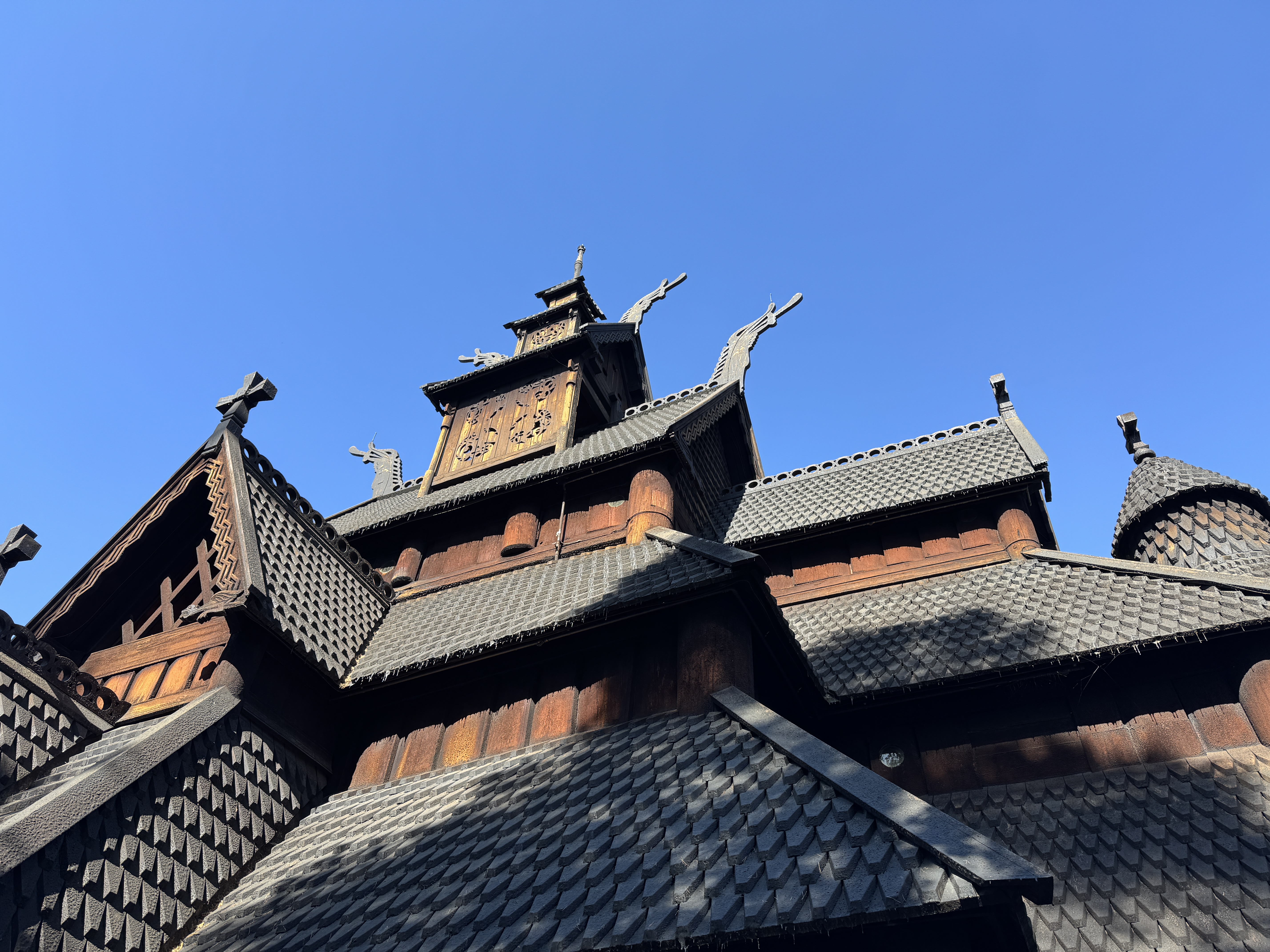
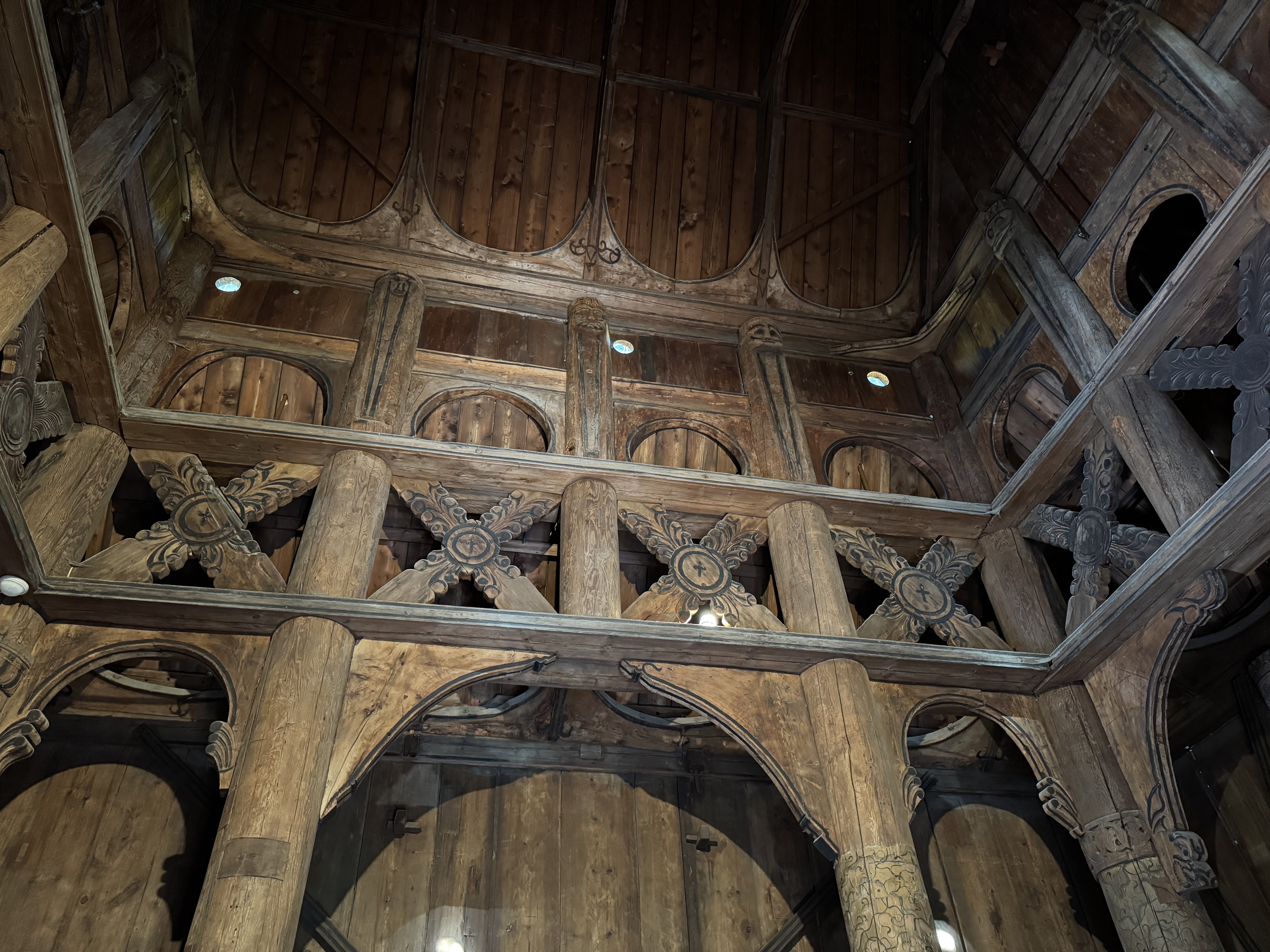
No heat, and the only light was from the little round holes up high. You had to be hardy to go church here…and probably hoped the sermon didn’t go too long.
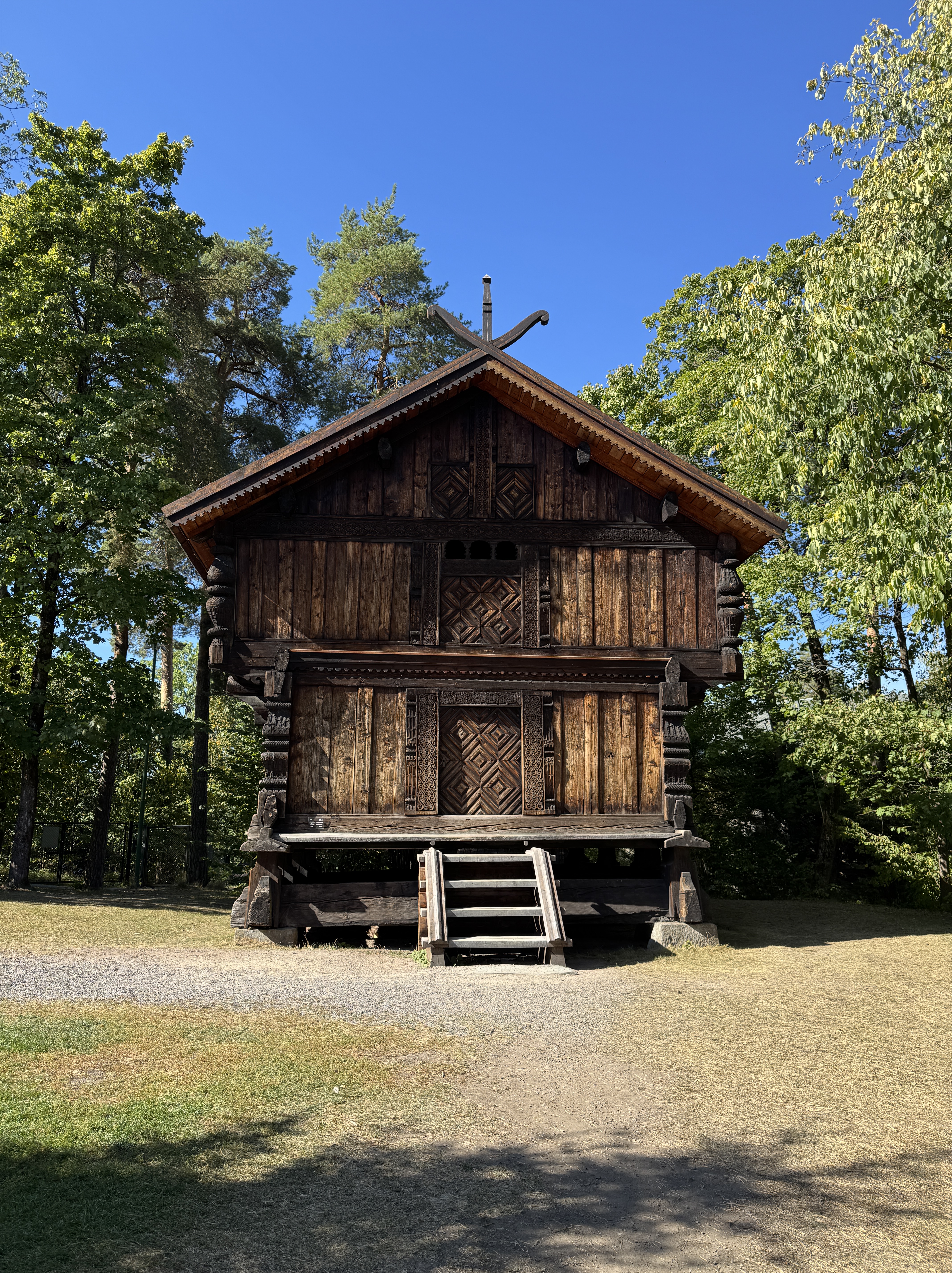

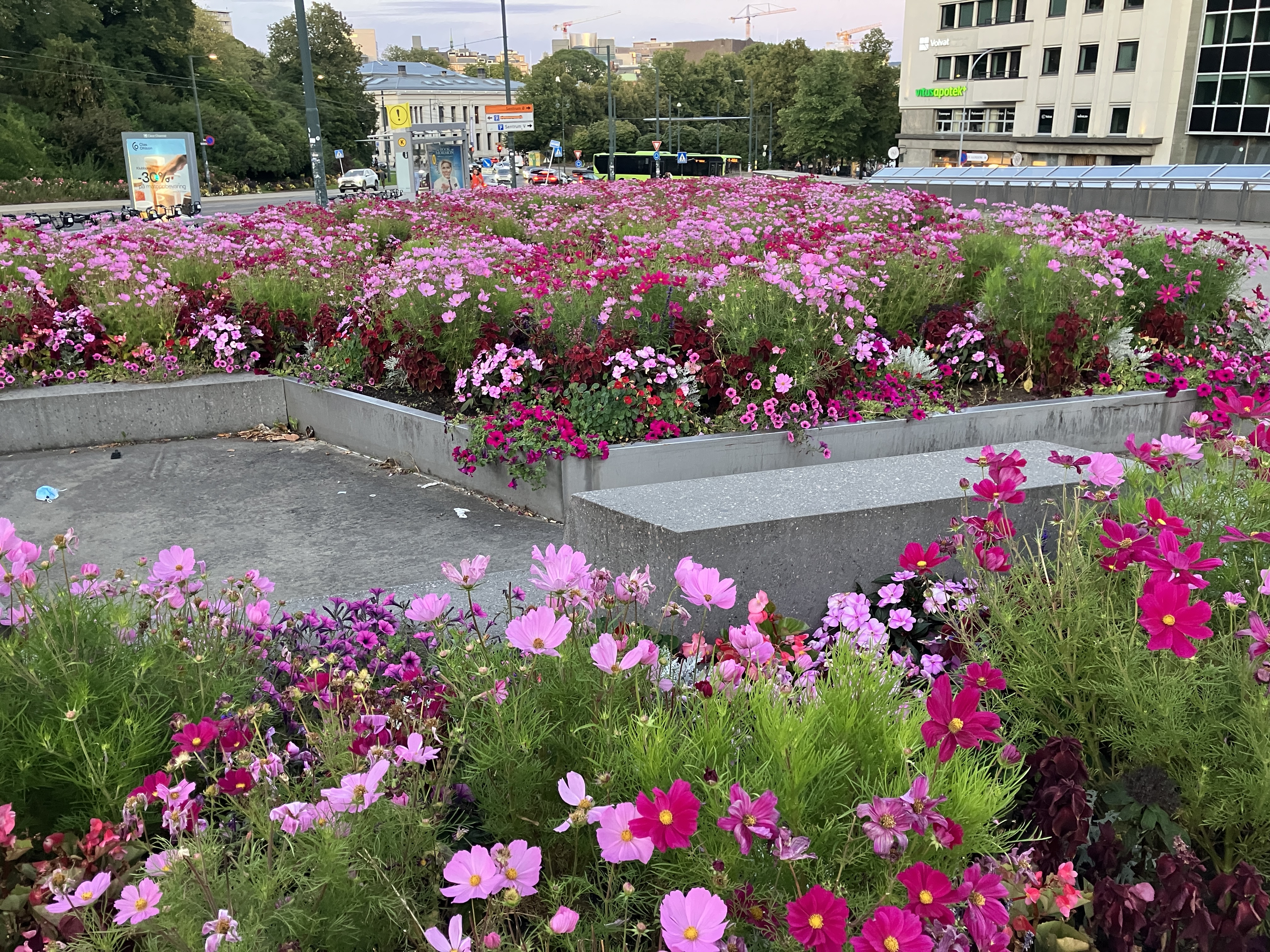
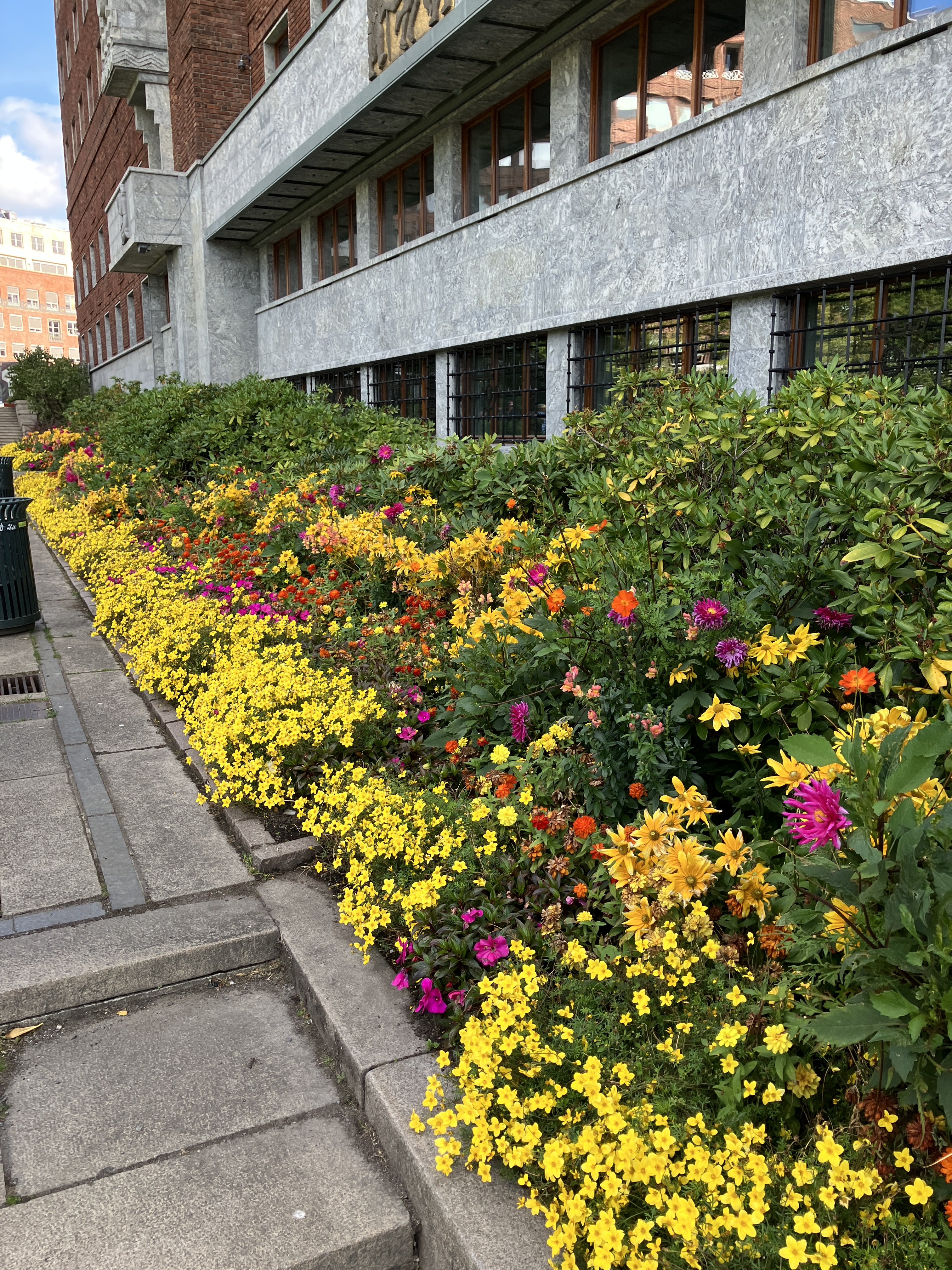
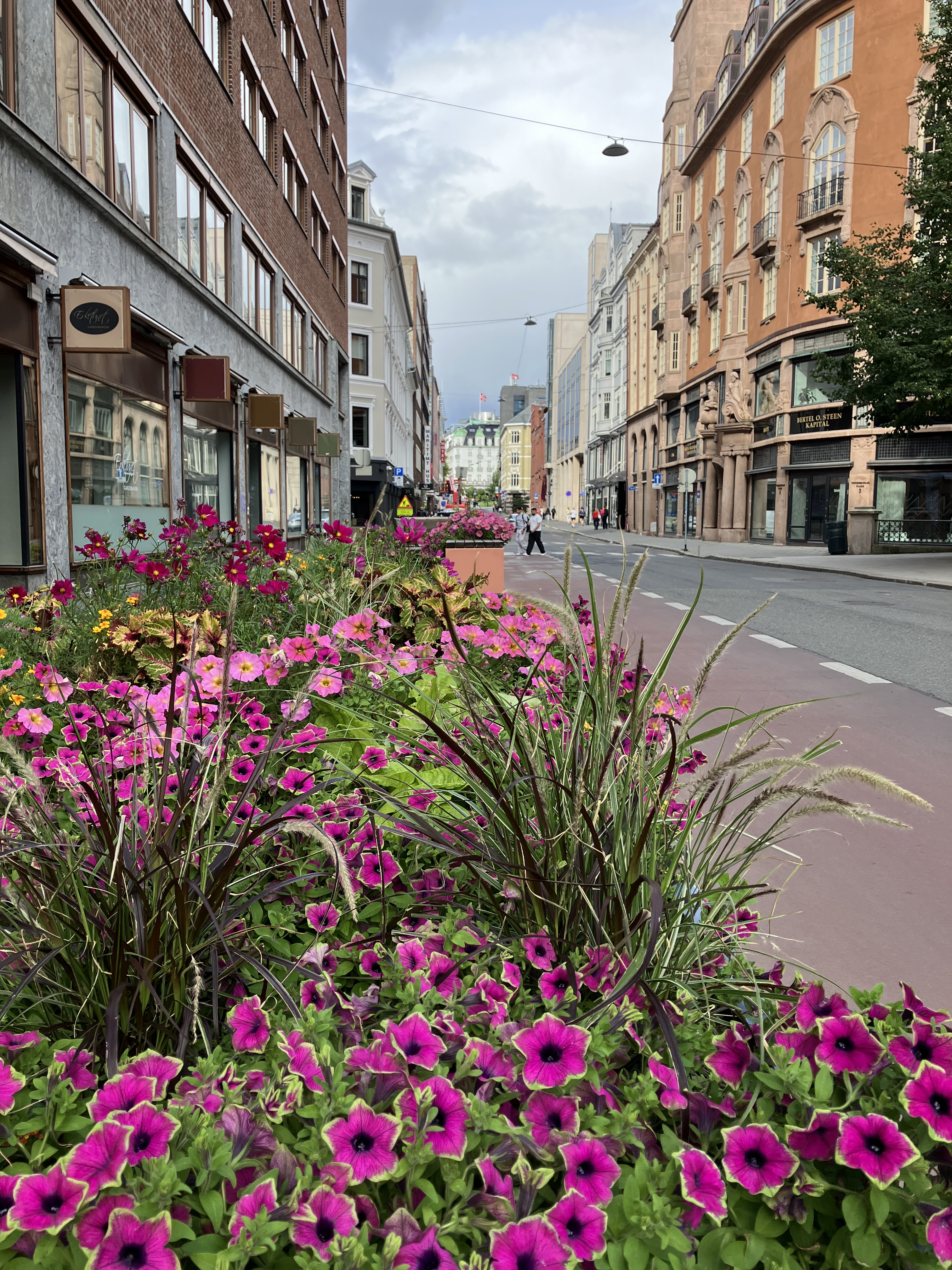
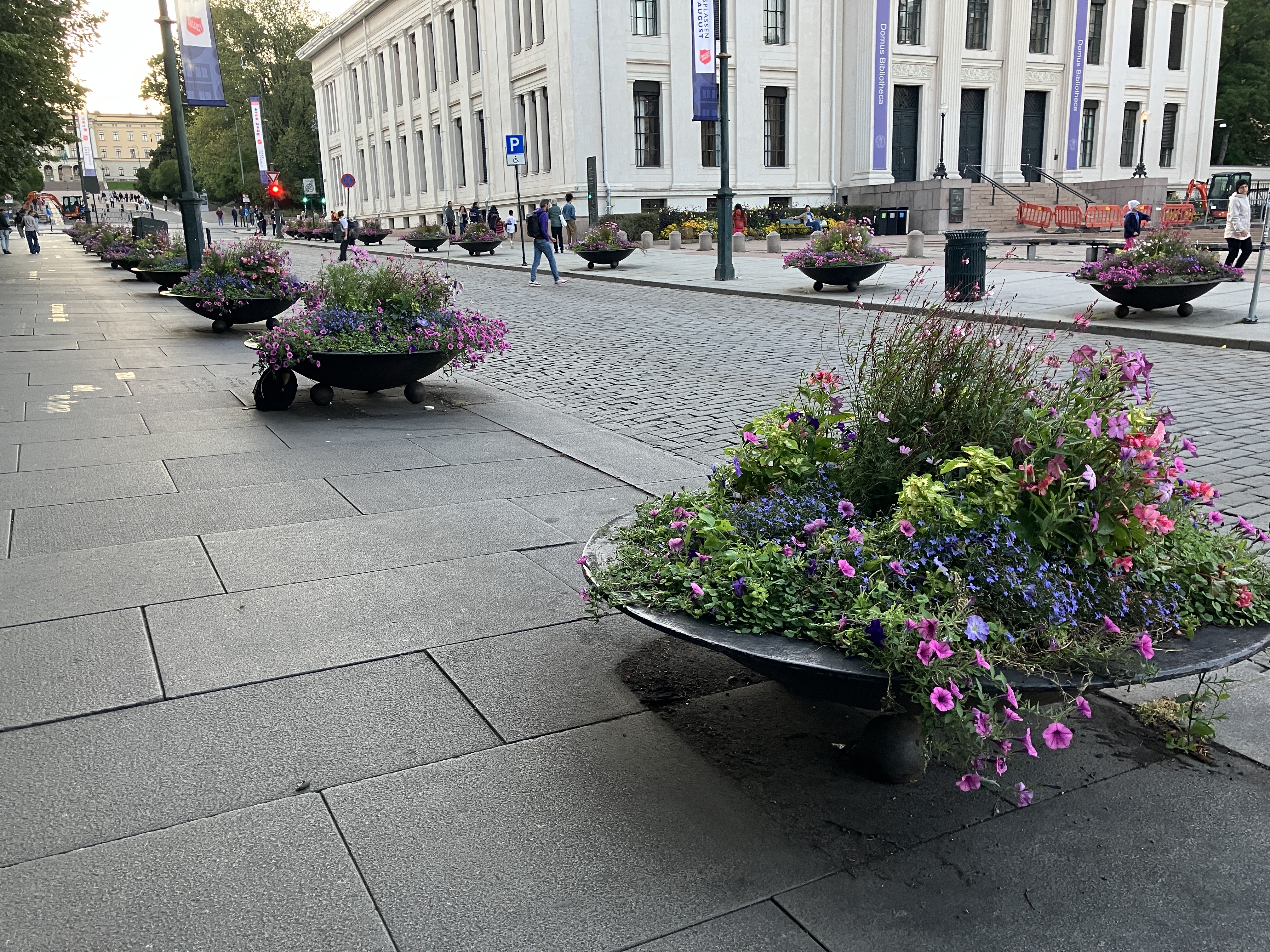
Oslo showed us its best face – the weather was fabulous during our visit. The public places make the most of the short summers (though long days), with beautiful gardens everywhere.


 Beyond Our French Adventure
As always, terrific photos and great commentary! We’ll be doing the train from Oslo to Bergen in a couple weeks…glad to hear it’s worth it, and we’ll be sure to have our cameras poised!
LikeLike